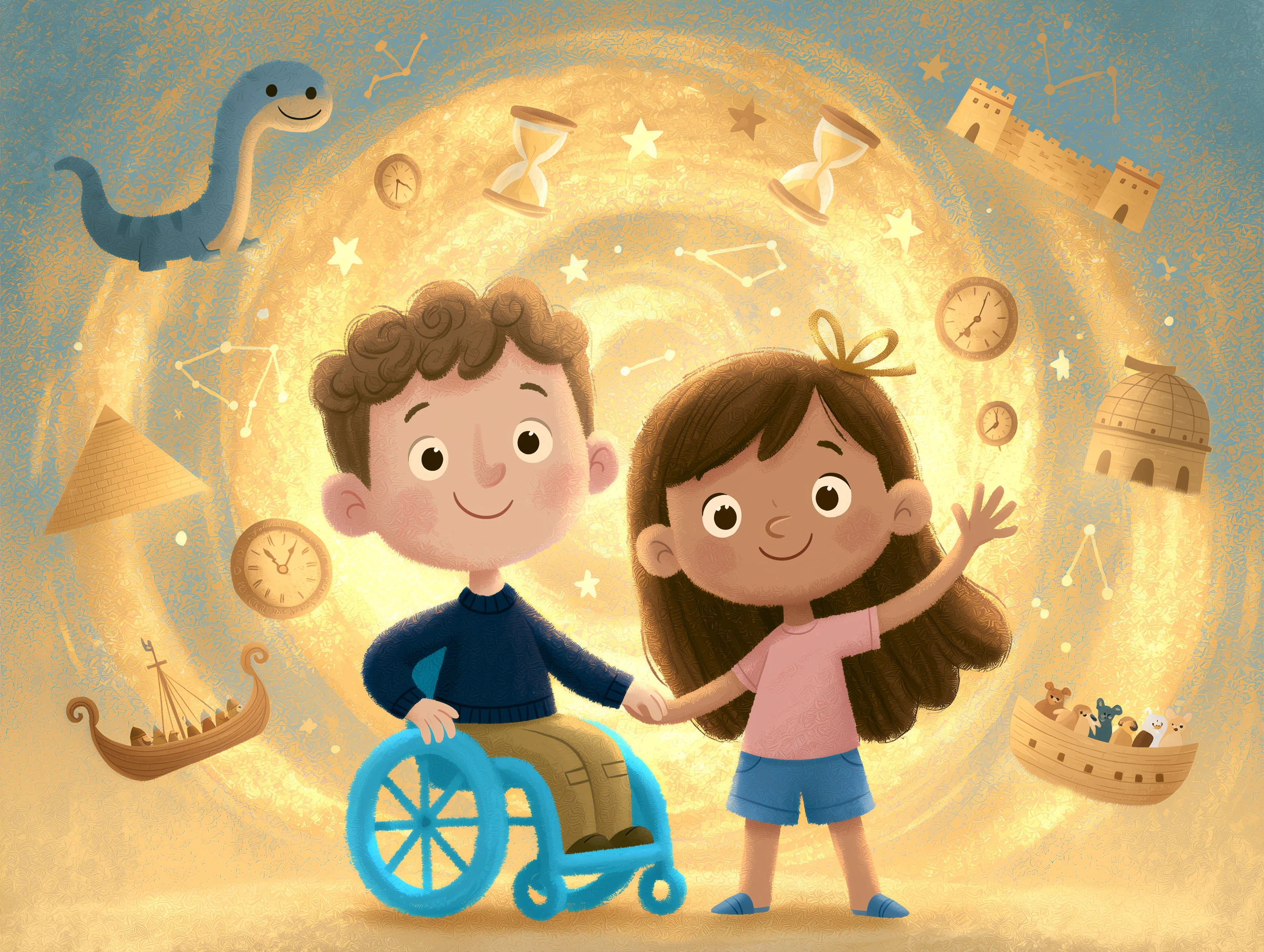
The Time Explorers
Omar & Fatima's Journey Through the Story of the Whole World
The Age of Dinosaurs
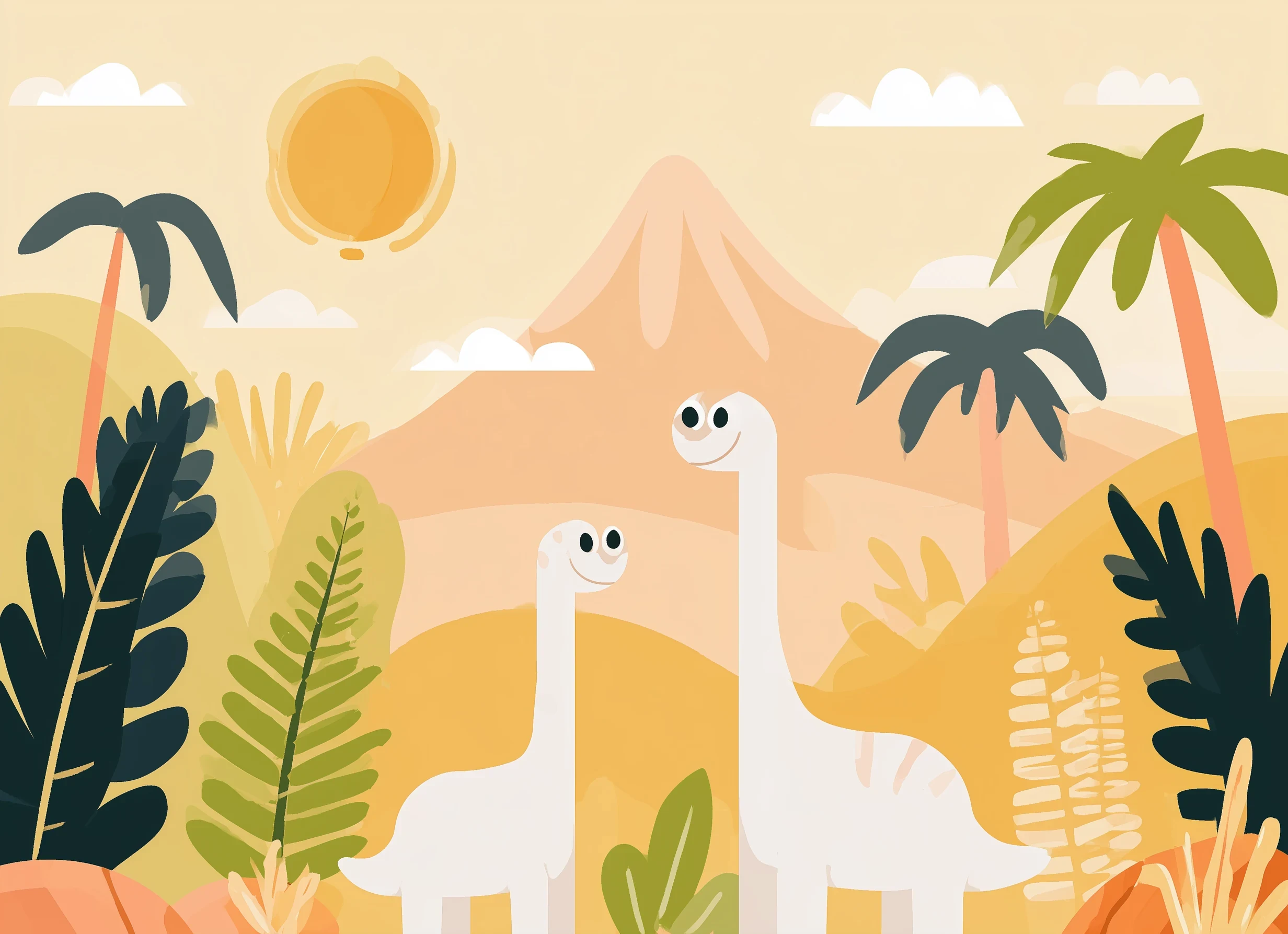
Long, long before anyone was here at all, the whole world belonged to the dinosaurs. Some were taller than a house, with necks that reached right up into the treetops.
They lived for millions and millions of years. Then they were gone, long before the very first people ever opened their eyes.
“So where are all the people?” asked Fatima.
The First People
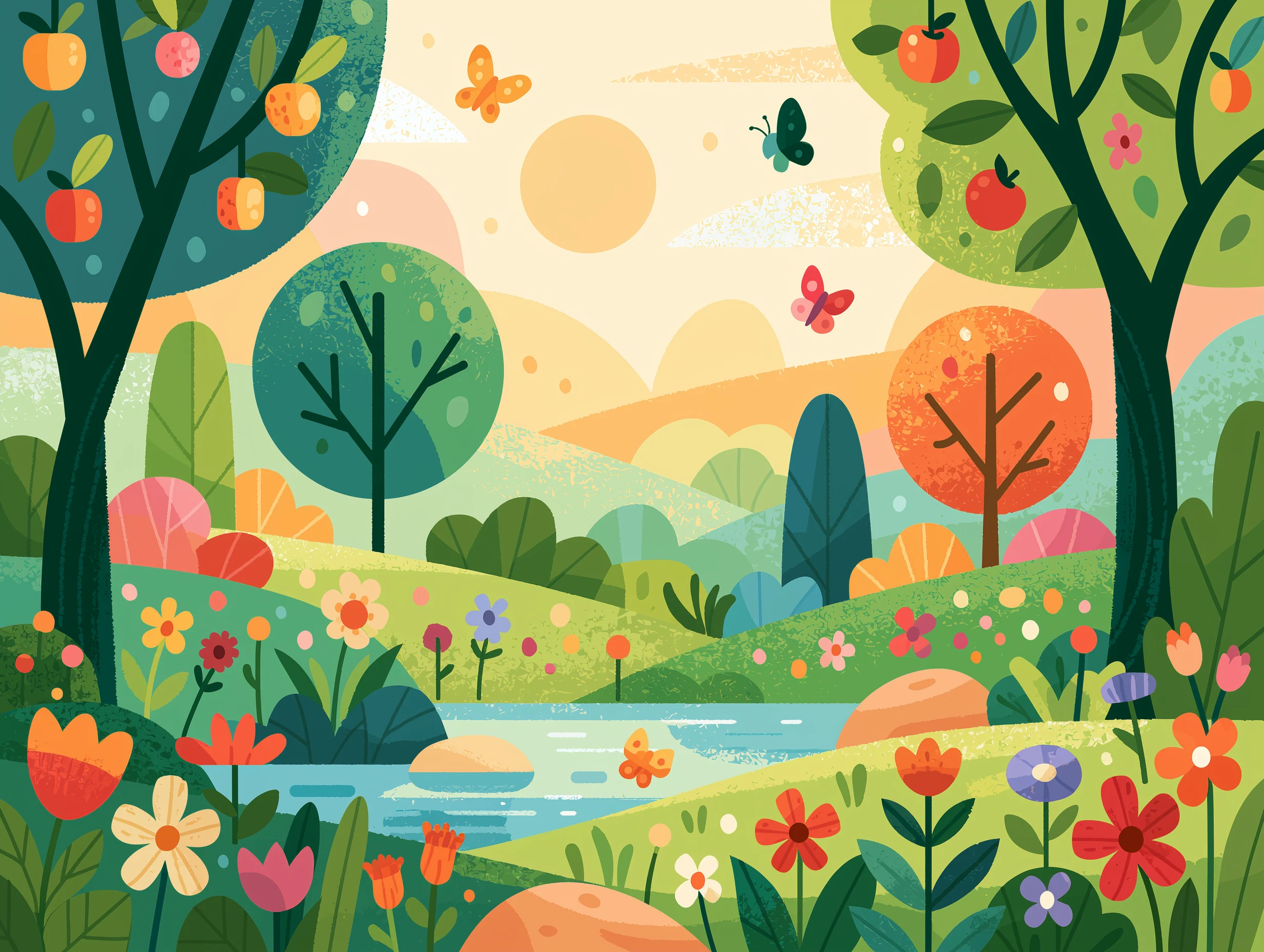
Then the world went quiet and green, and something new began. The first man and the first woman opened their eyes in a garden full of fruit trees, flowers and butterflies.
Every single person who has ever lived comes from those two. That means you do, and so does everyone you know.
Enoch, the First to Write
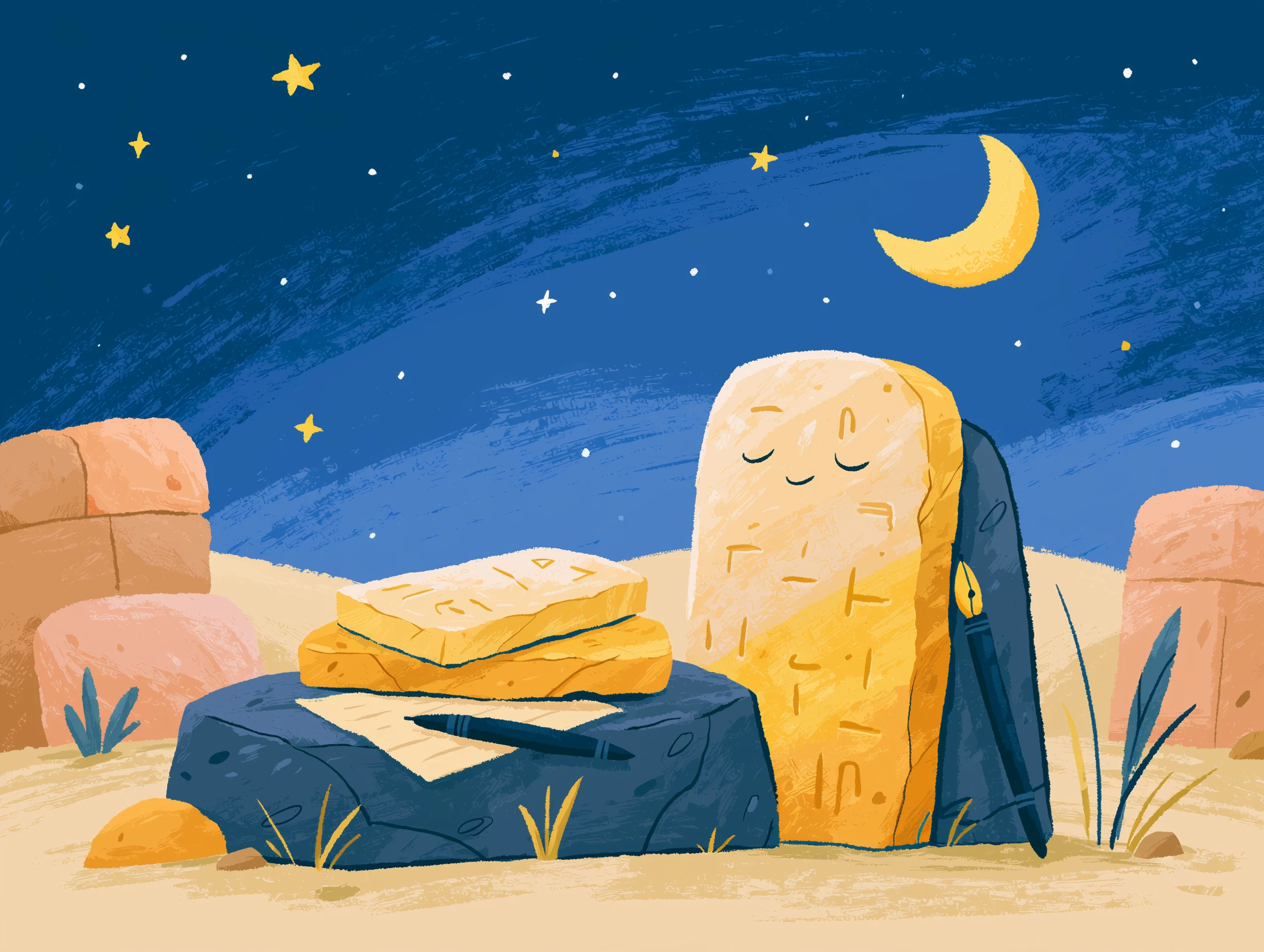
Long after that, a man called Enoch learned something nobody had ever done before. He learned to write.
Until then, everything people knew had to be remembered and said out loud. Now it could be pressed into clay and kept safe for people who were not even born yet.
Noah and the Big Boat
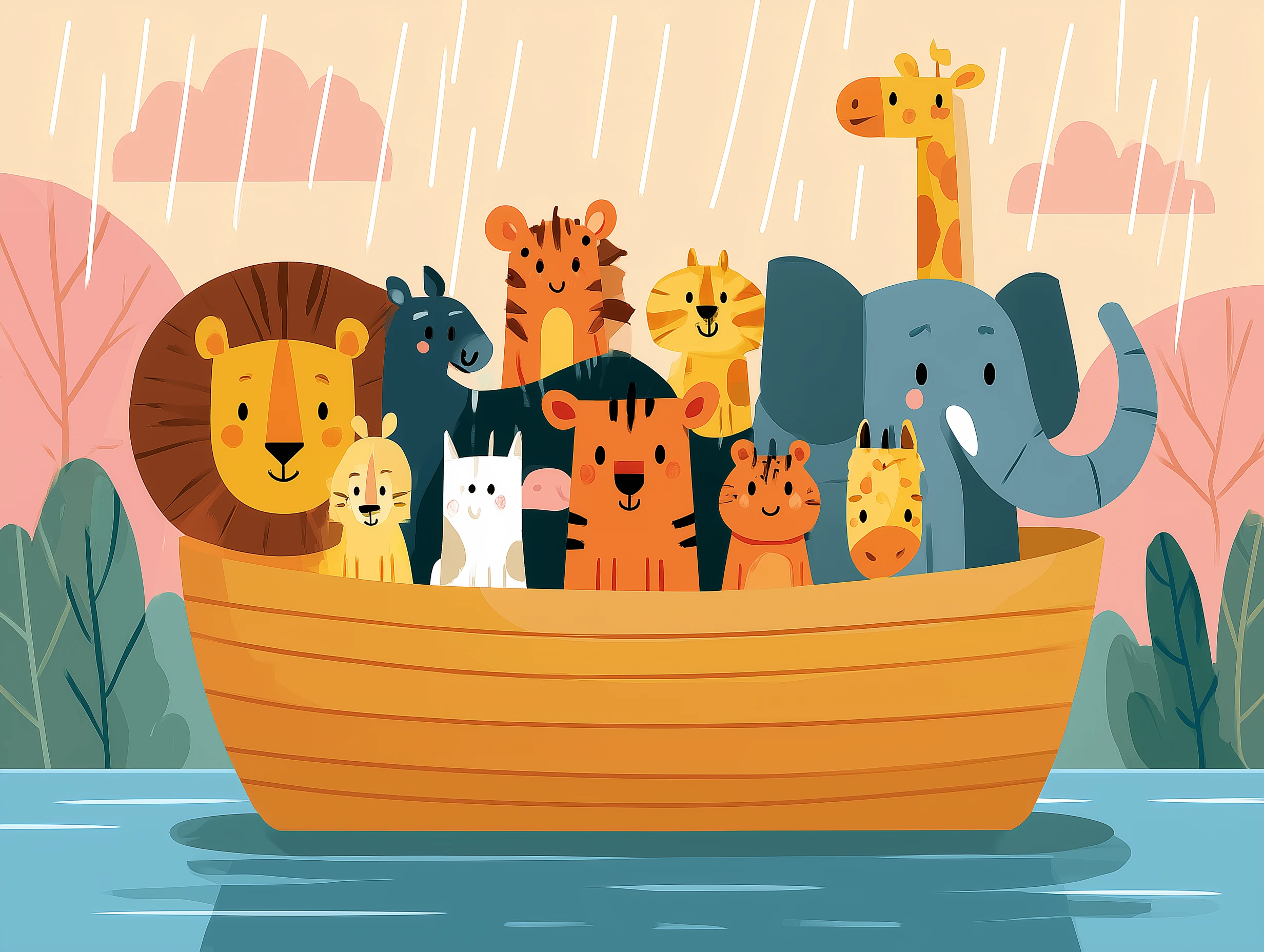
Noah warned everyone that a great flood was coming, but hardly anybody listened. So he built an enormous boat, and took his family and two of every animal safely on board.
The rain fell and fell. When at last the water went down, the boat came to rest on the top of a mountain.
“Two of every animal?” whispered Omar.
Hud and the Tall Towers
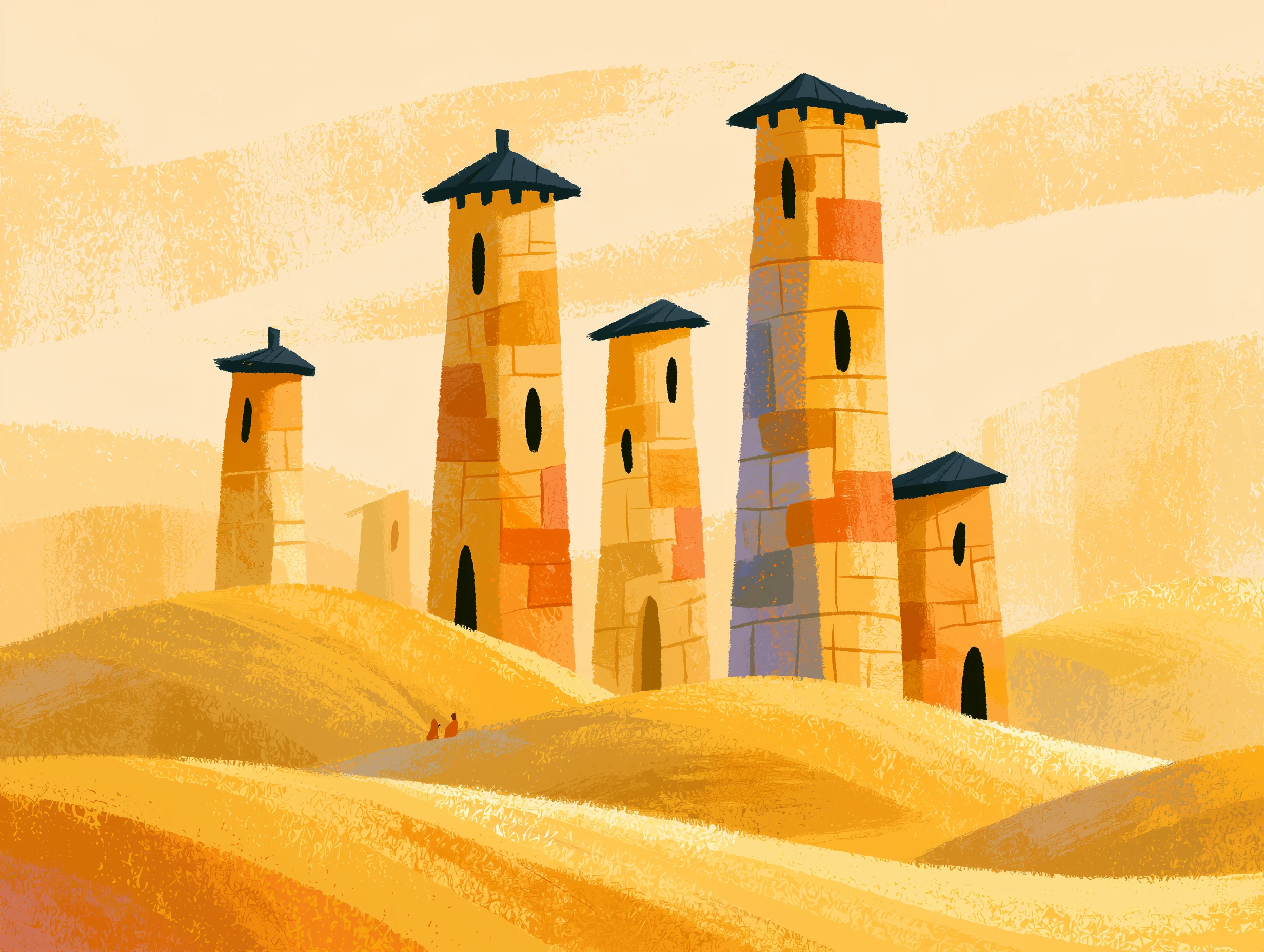
Out in the sandy desert lived the people of Aad. They were strong, and they built towers taller than anyone had ever built before.
Hud asked them to be thankful and kind instead of proud of what they had made. Most of them would not listen, and their tall towers could not save them.
Salih and the Special Camel
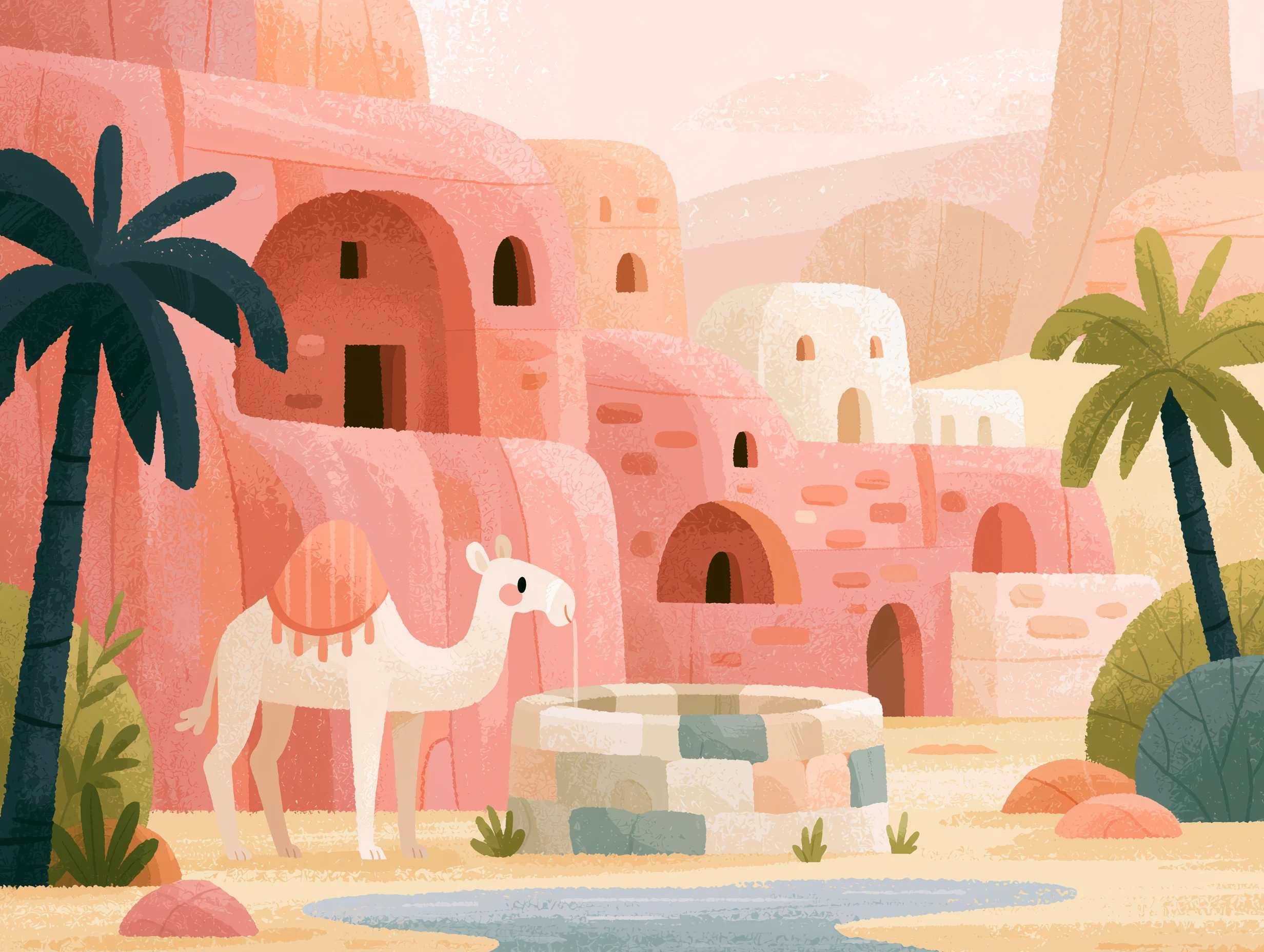
The people of Thamud carved their homes straight into the rose-red rock. Salih brought them a wonderful sign, a very special camel.
Share the water fairly with her, he told them, and always be gentle. Being kind to animals mattered then, and it still matters now.
The First Cities and Writing
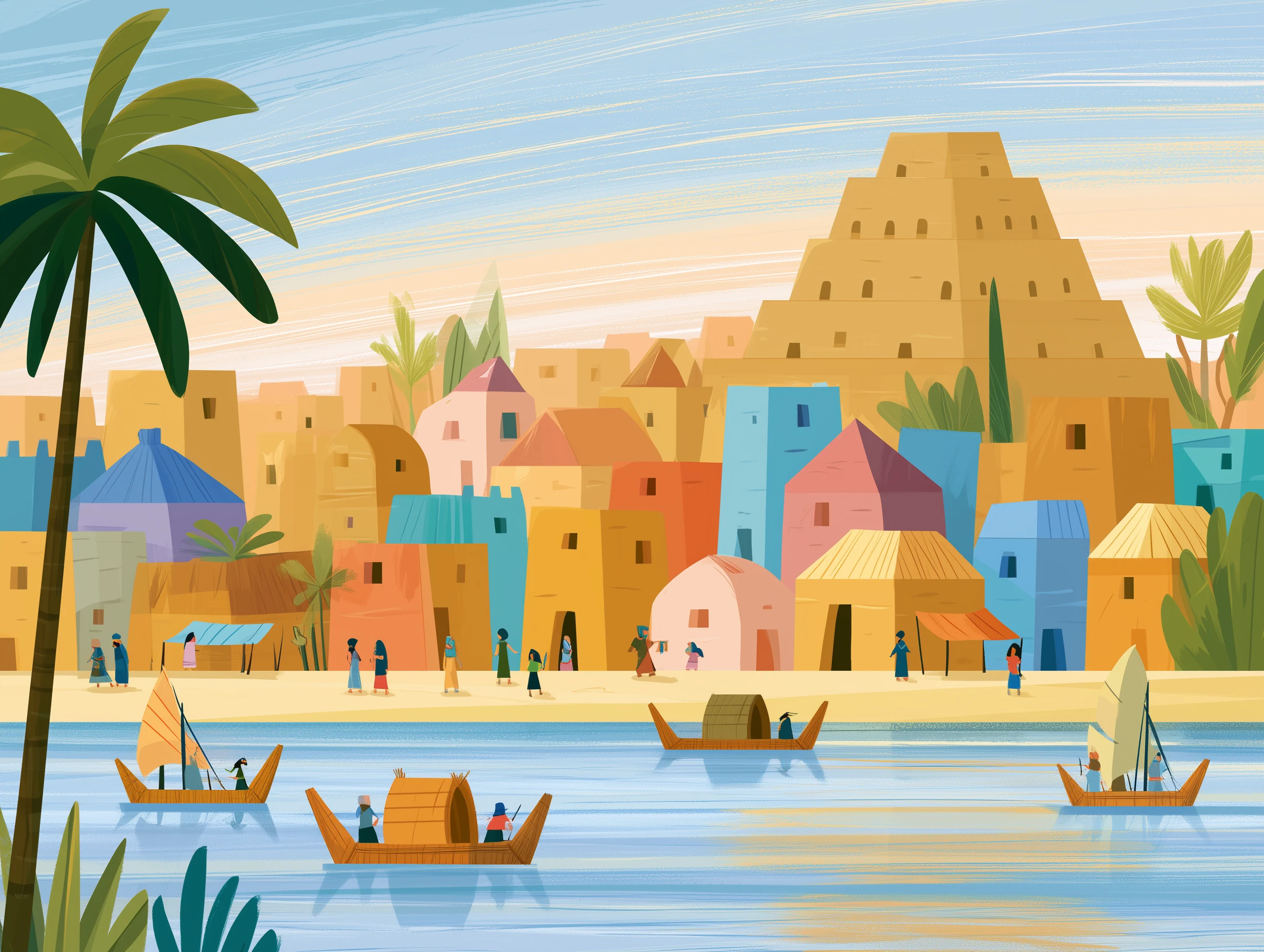
People had always lived in small villages. Then, between two great rivers, they built something new. Cities, with streets and houses and little reed boats coming and going all day long.
Here someone pressed marks into wet clay to count sacks of grain. That was the very beginning of writing things down.
The Great Pyramid
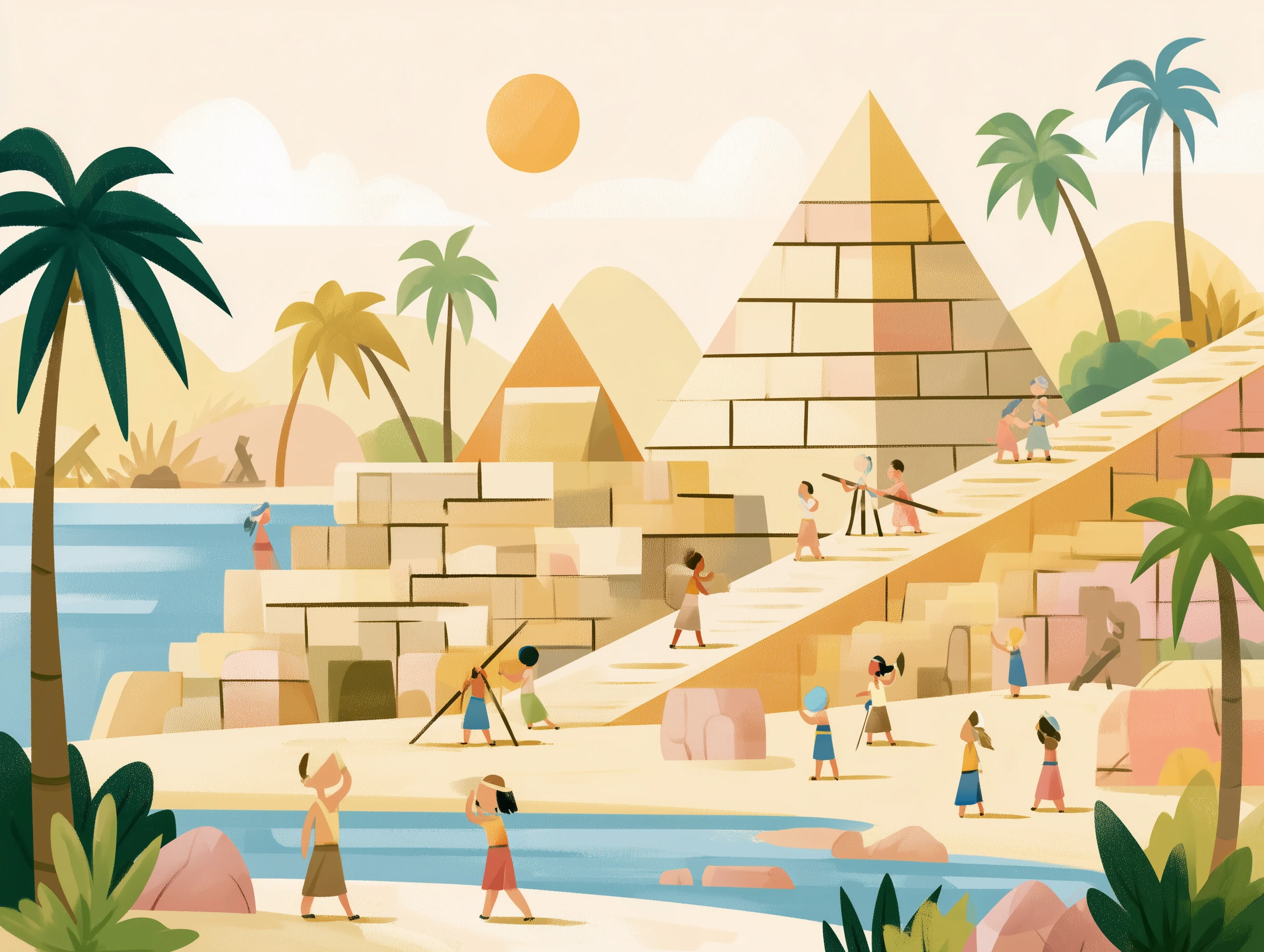
Beside the river Nile, thousands of people worked together to build something astonishing. They cut blocks of stone heavier than an elephant and hauled them up long ramps.
The Great Pyramid took about twenty years to finish, and it stayed the tallest building in the whole world for thousands of years after that.
“Twenty whole years!” gasped Omar.
Abraham, the Great Traveller
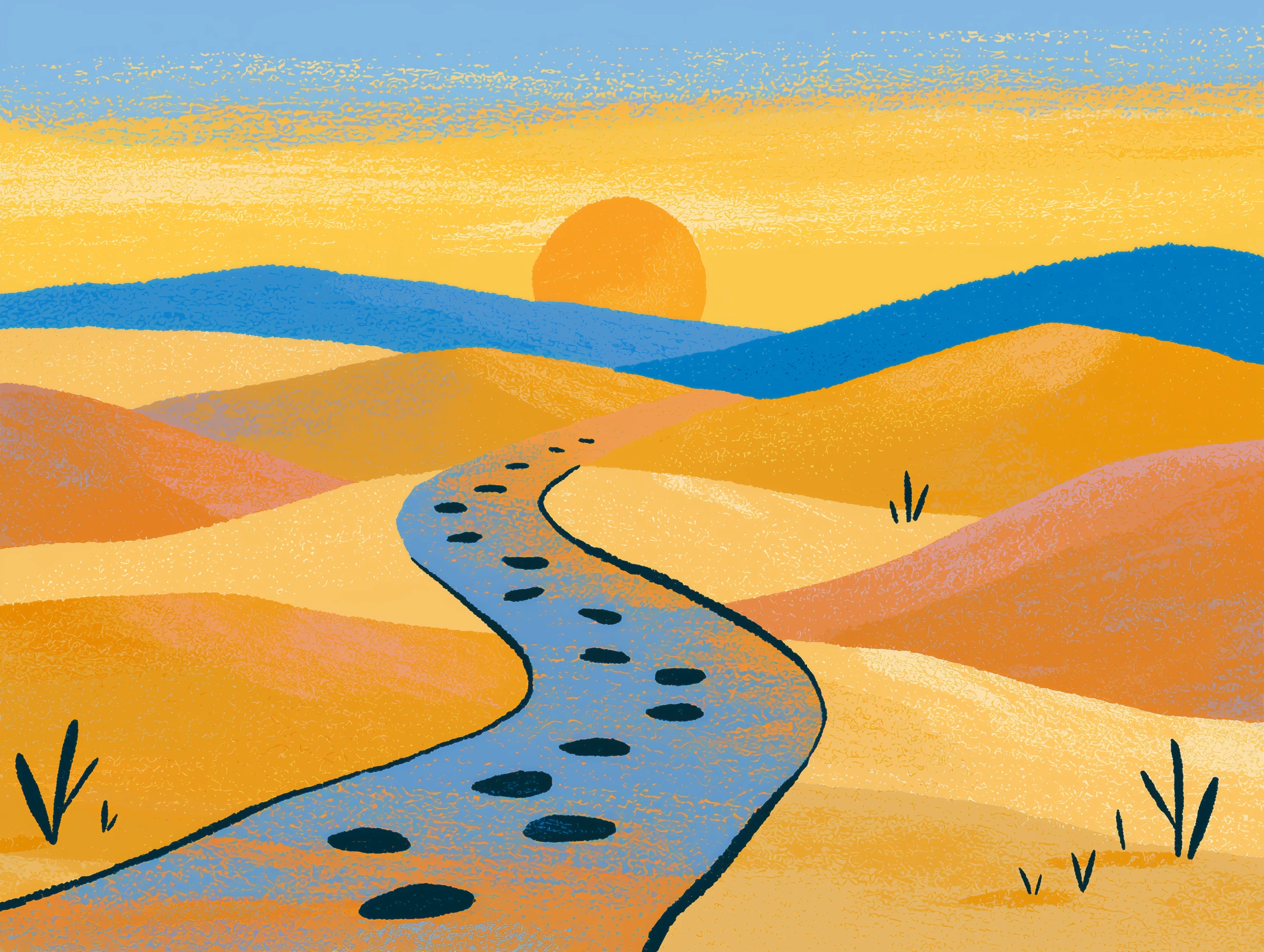
Abraham left the city where he was born and set off across the desert, trusting God to show him the way.
He travelled further than almost anyone of his time, and everywhere he stopped he told people the same thing. There is only one God, and He is worth trusting.
Ishmael and the Spring of Water
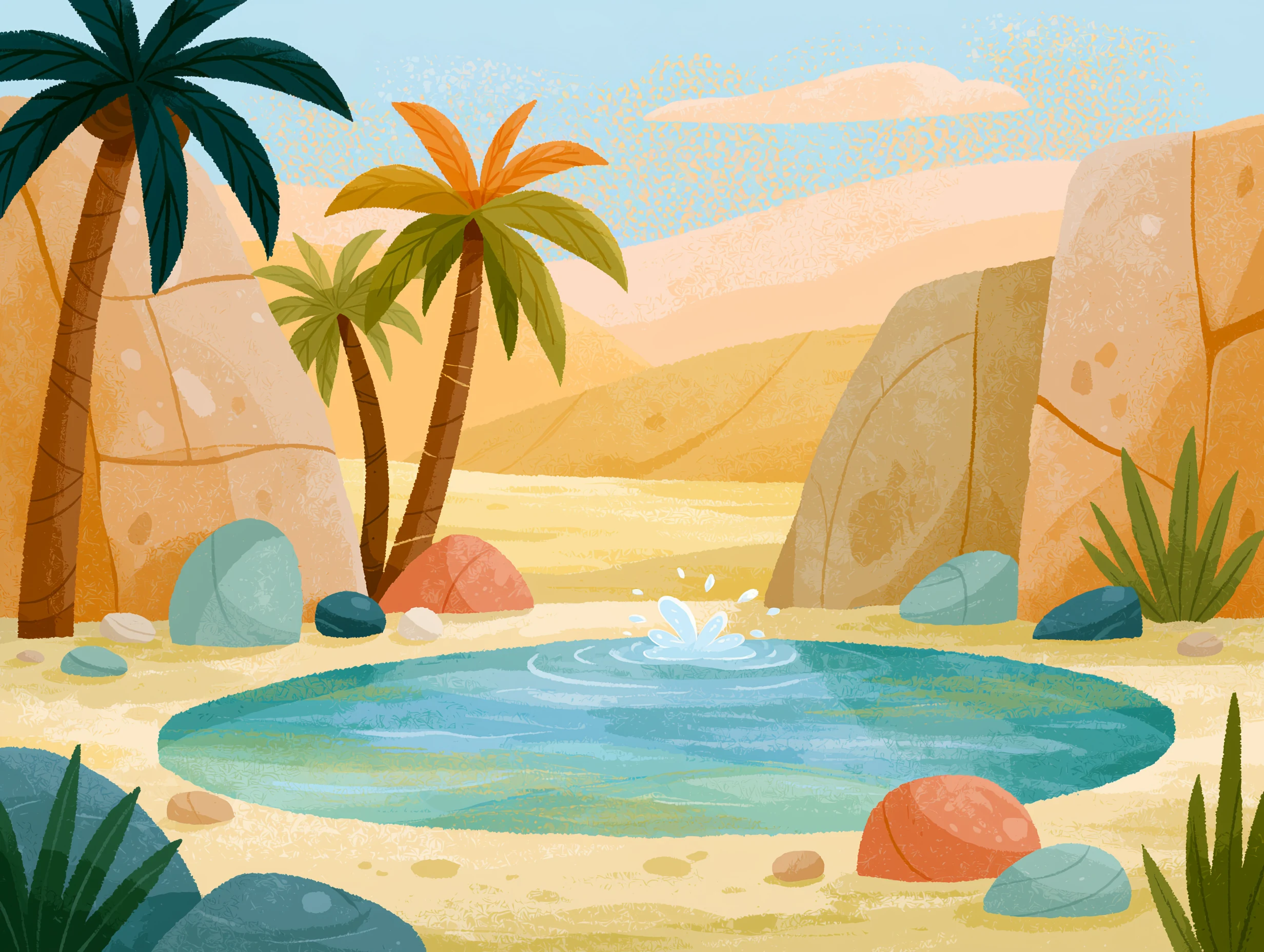
Far out in the dry desert, a mother and her little boy had no water left at all. She hurried between two hills, searching and searching.
Then water came bubbling up out of the sand beside her son. That spring is called Zamzam, and people still drink from it today.
“It is still there?” wondered Fatima.
Jonah and the Big Fish
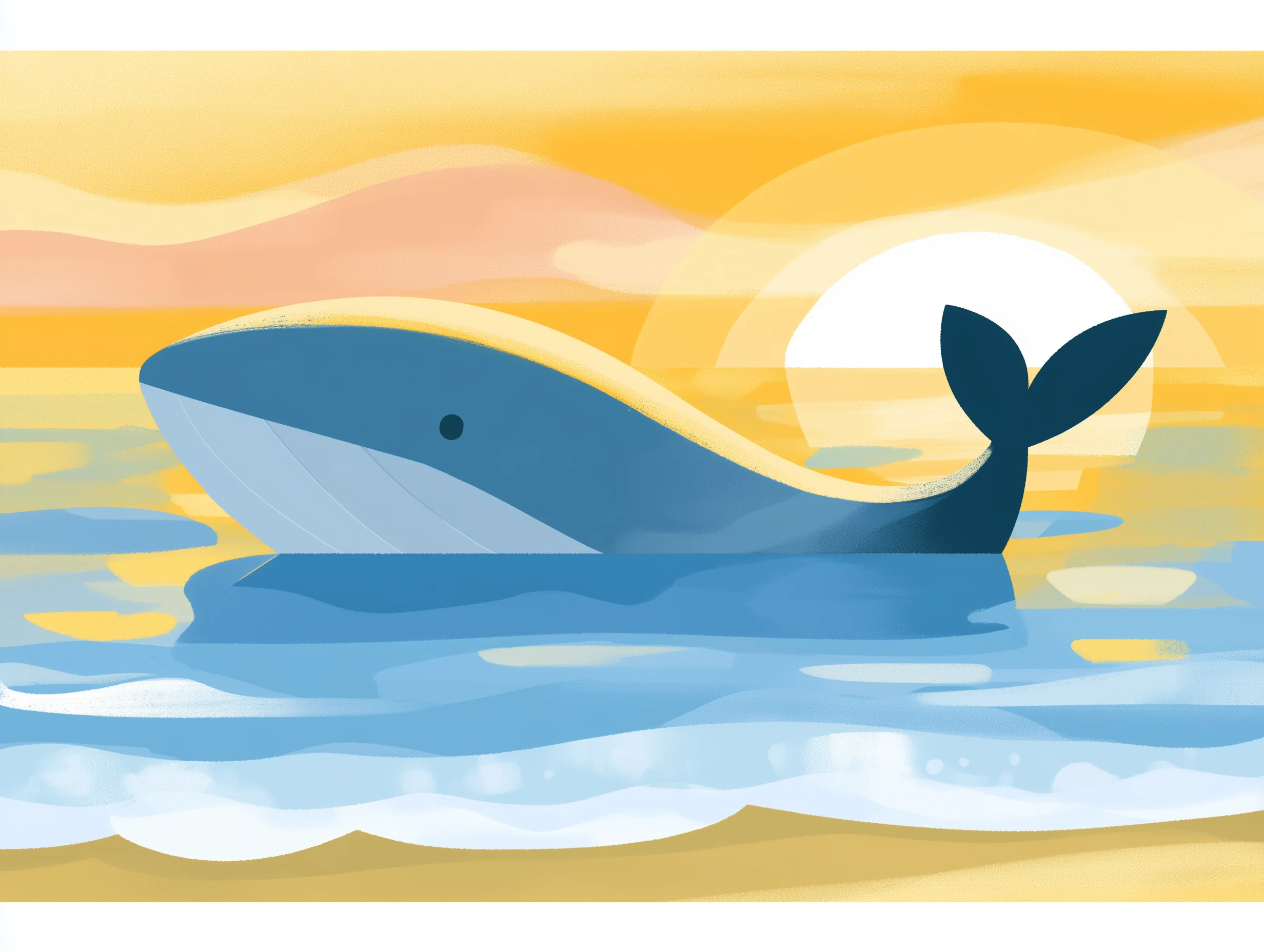
Jonah once boarded a ship, running from a hard job he did not want to do. A great storm blew up, and he ended up swallowed whole by an enormous fish.
In the darkness, he prayed and prayed. The fish carried him safely to shore and set him free, and Jonah finally went to do the job he had been asked to do.
Isaac and Jacob
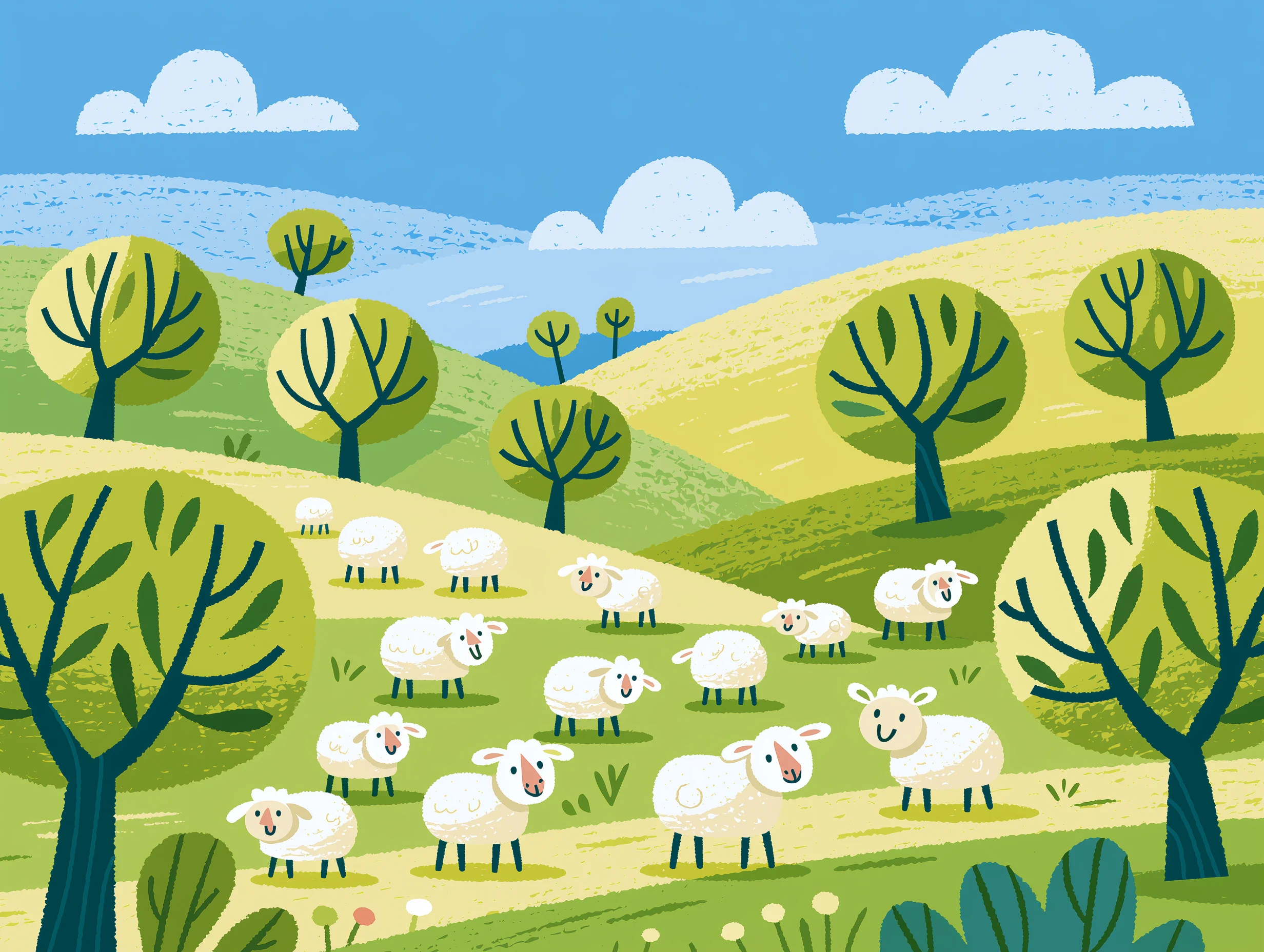
Isaac grew up and had a son of his own, called Jacob. They lived quietly among these green hills, looking after their sheep and their families.
God's promise to Abraham passed down to them next, one family looking after it and passing it on to the one after.
Joseph in Egypt
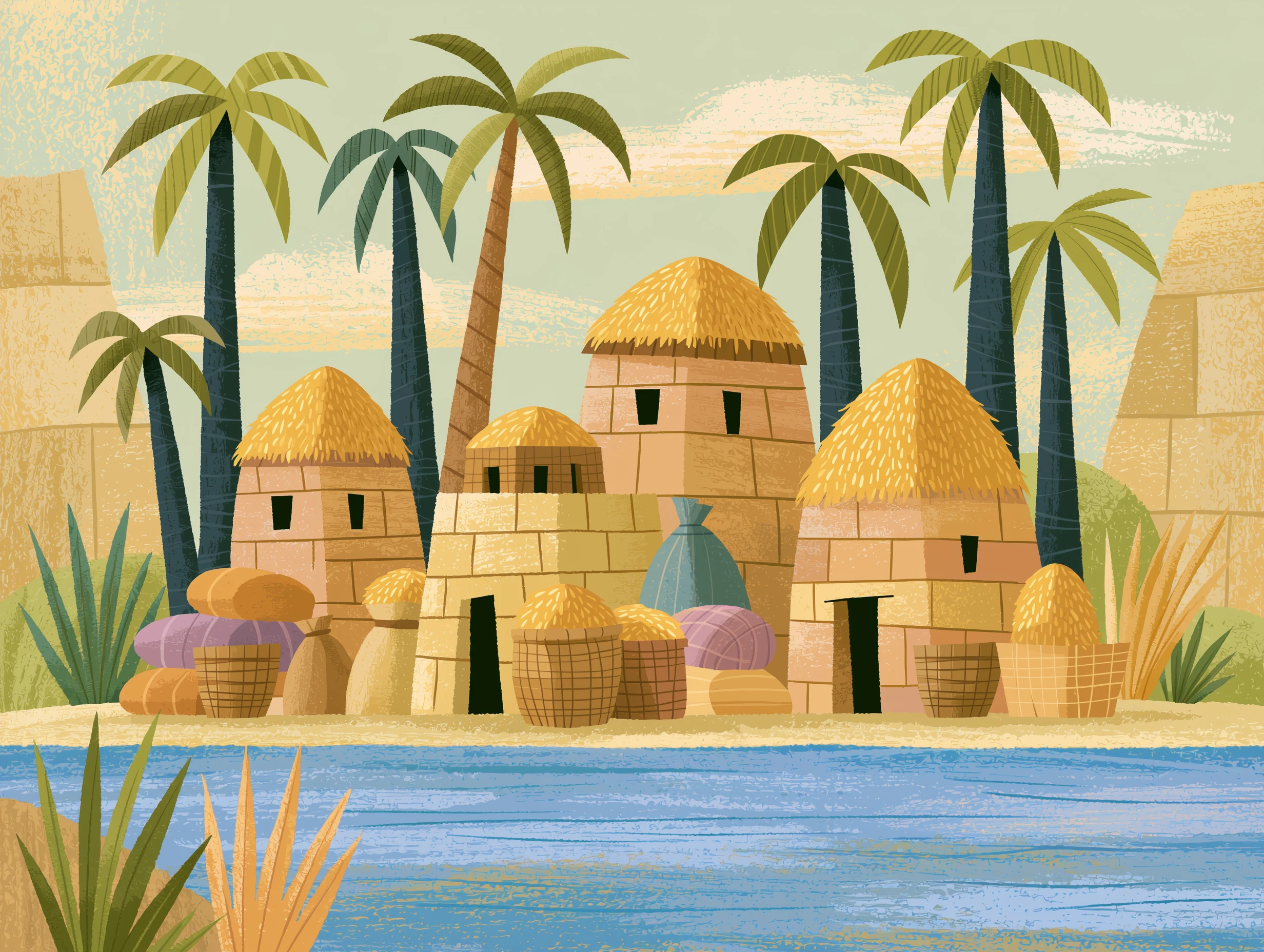
Joseph's own brothers once treated him terribly, and he ended up far from home, all alone in Egypt.
But Joseph was patient and wise, and years later he became one of the most trusted men in the whole country. When a great famine came, it was Joseph who had grain saved up to share.
“Even after everything, he forgave them” whispered Fatima.
The First Written Laws
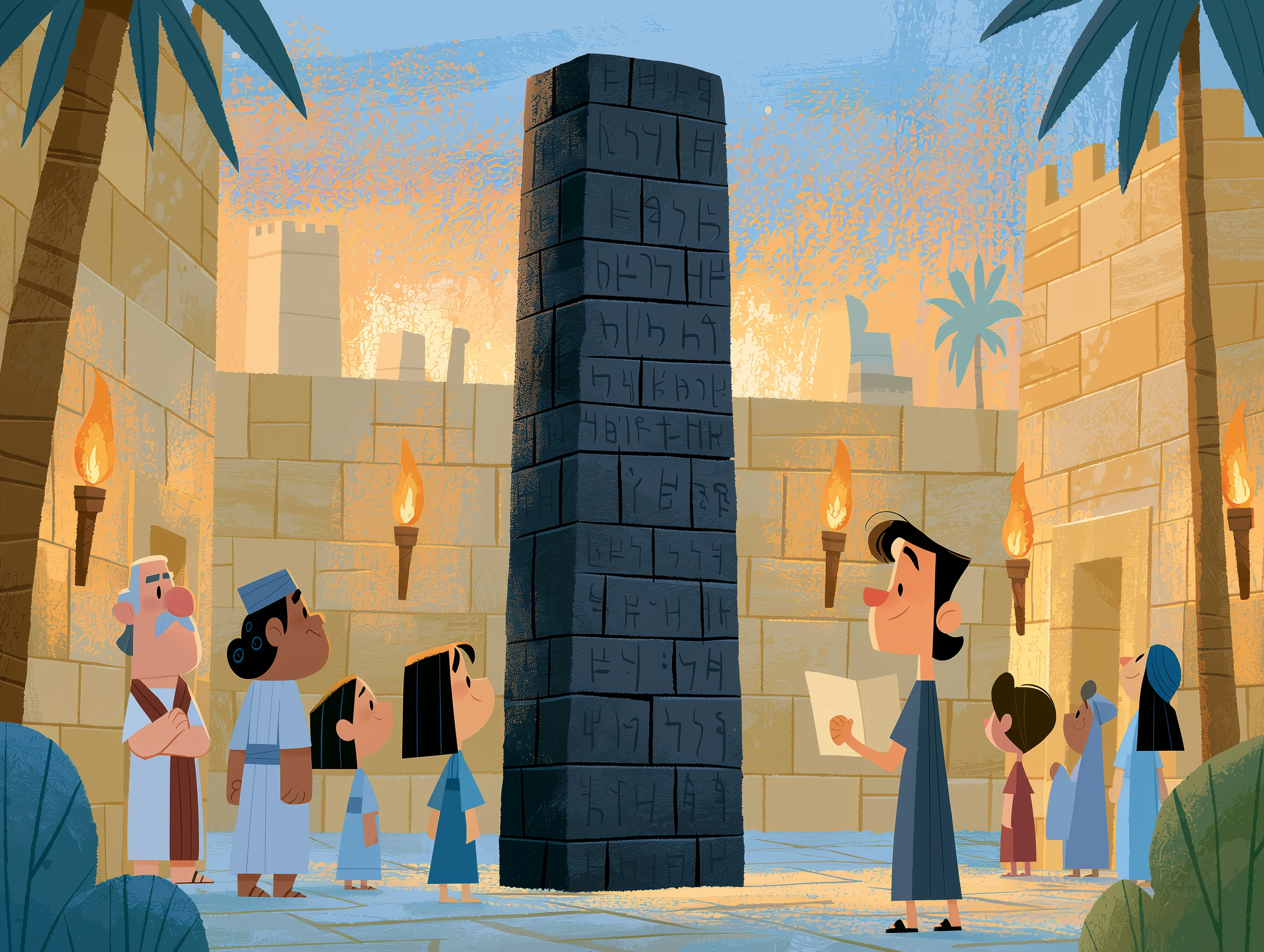
Long, long ago, a king had a very long list of rules carved into stone, so tall that everyone in the city could read it for themselves.
Before then, rules mostly lived in people's memories. Once they were carved in stone, everyone could know exactly what was fair, and no one could pretend they hadn't been told.
Shuayb, the Honest Teacher
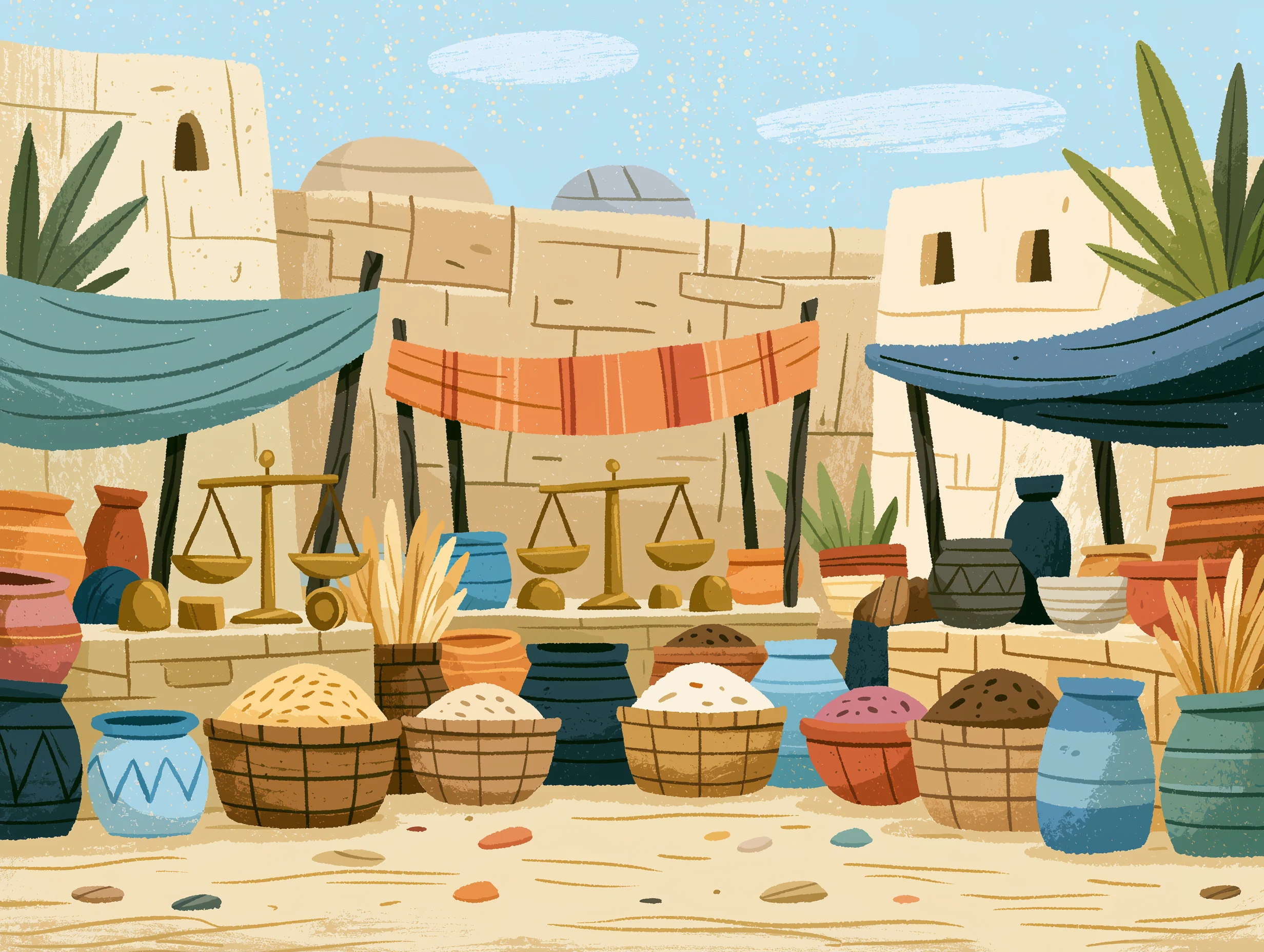
In a busy desert market, people were buying and selling with scales and weights, but many sellers were cheating their customers without a second thought.
Shuayb stood among them and asked for something simple. Weigh things fairly, he said, and never cheat anyone, even a little.
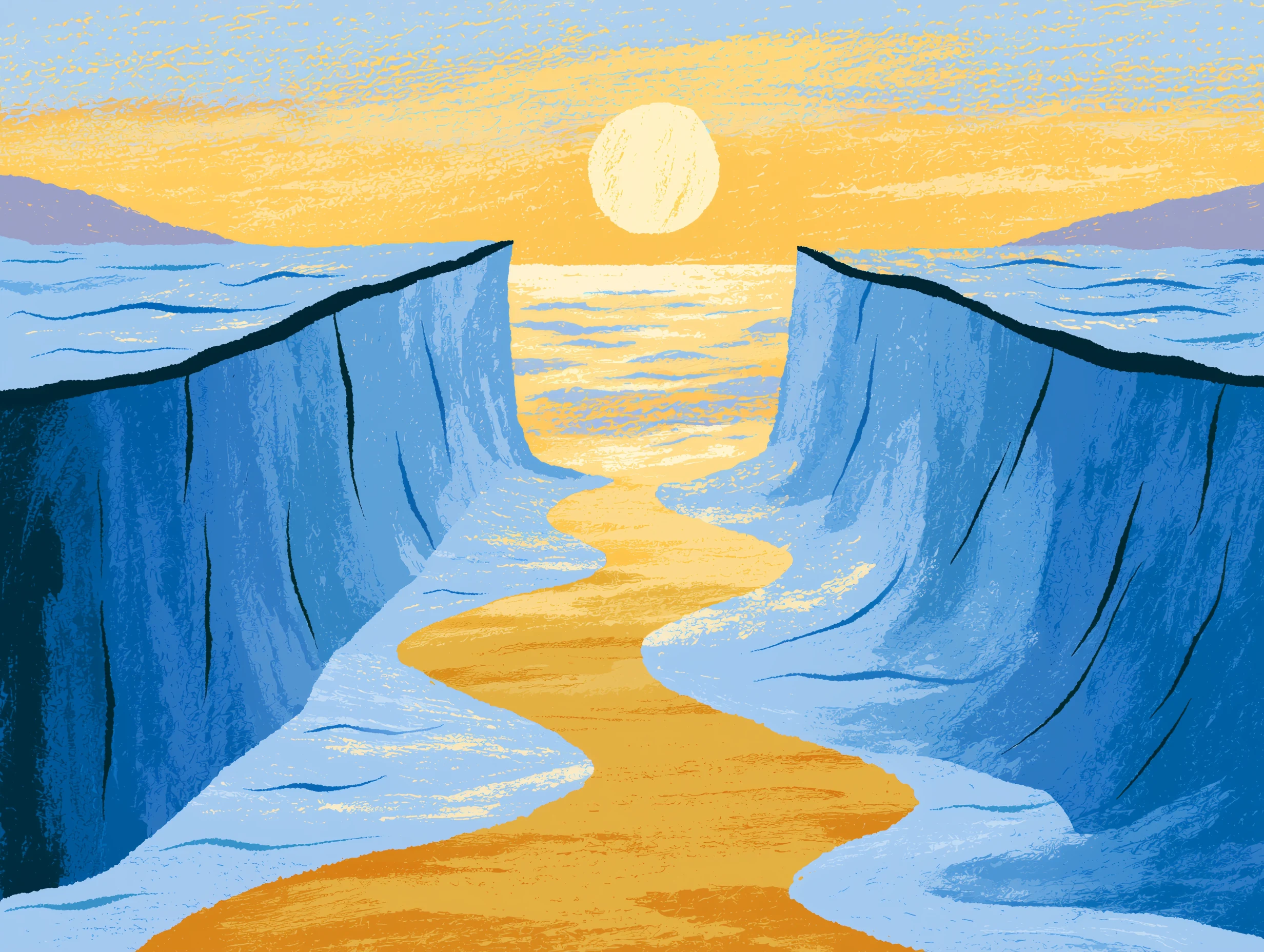
Moses and the Sea That Opened
Moses led his people right to the edge of the sea, with nowhere left to run. Then the water itself pulled apart, leaving a dry path straight through the middle.
They crossed safely to the other side, and the sea closed again behind them.
“The whole sea, just... opened?” breathed Omar.
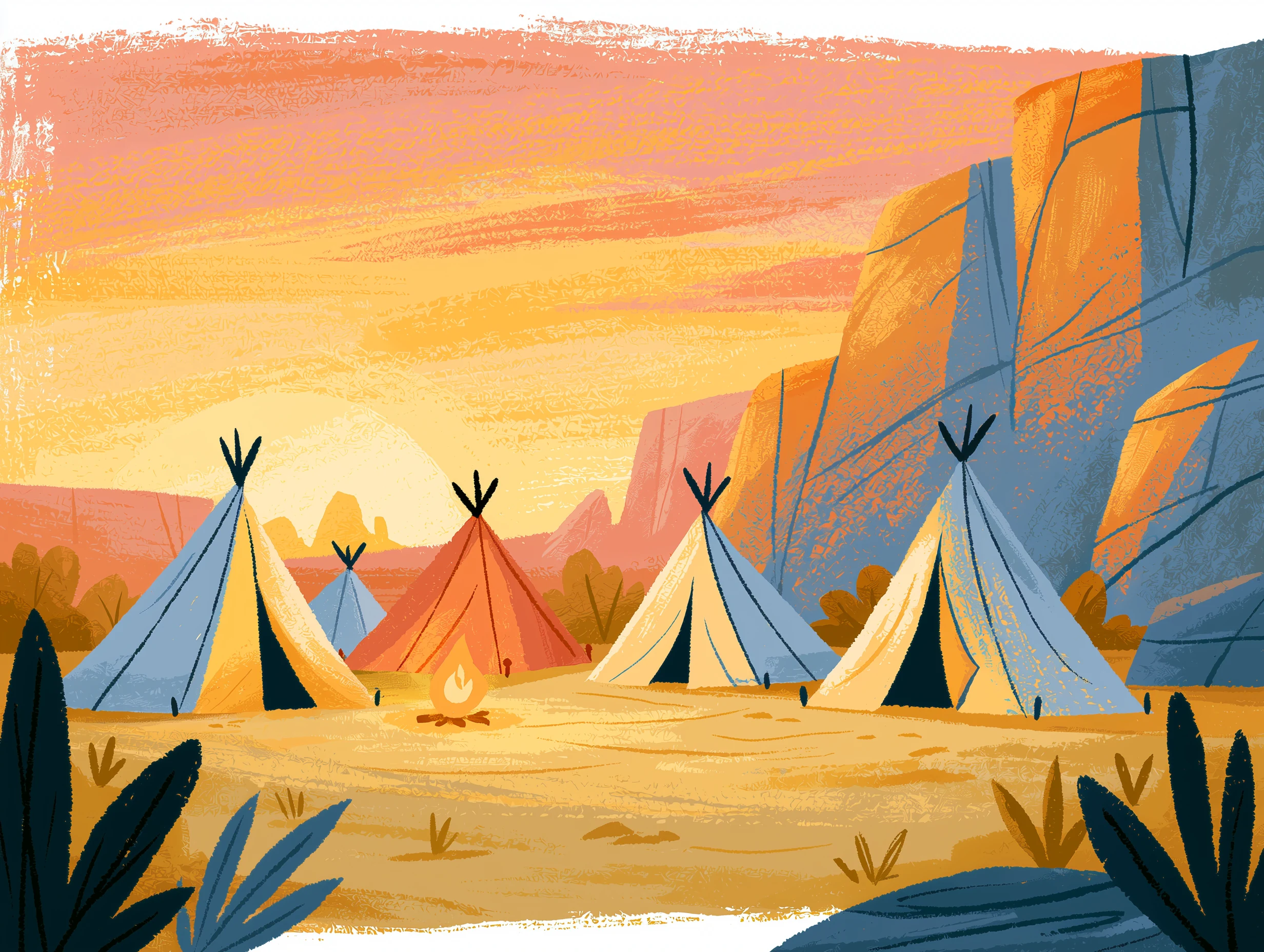
Aaron, the Helper
Aaron stood beside his brother Moses through it all, speaking up for him and helping him lead. Not every important person in a story gets to be the one out in front.
Sometimes the bravest thing you can do is stand quietly beside someone else and help them do what they cannot do alone.
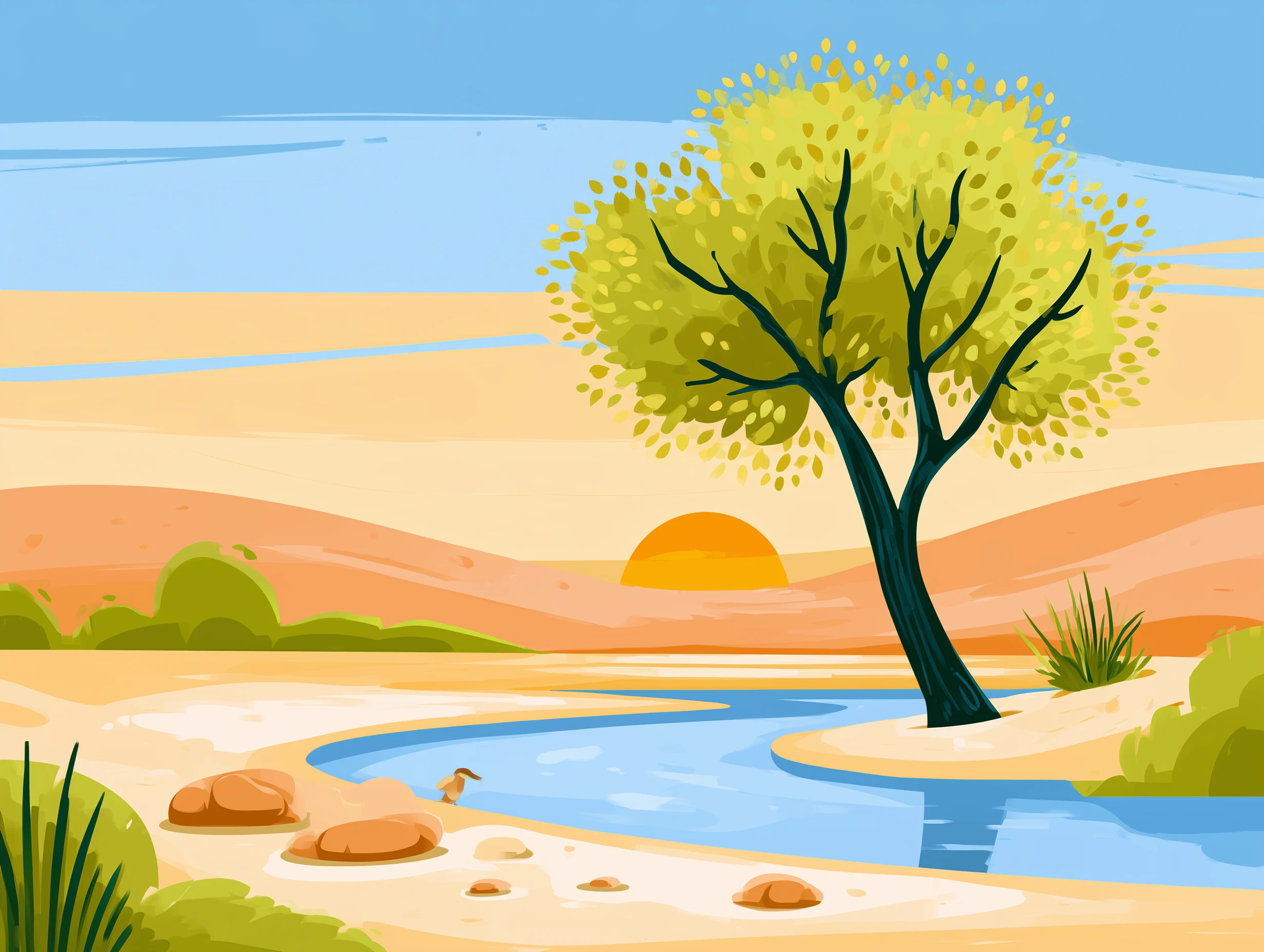
Job, the Patient One
Job lost almost everything he had, yet he never once stopped trusting God or lost his patience.
Eventually life became good again, better than before. His story is still told to remind people that patience, in the end, is always worth it.
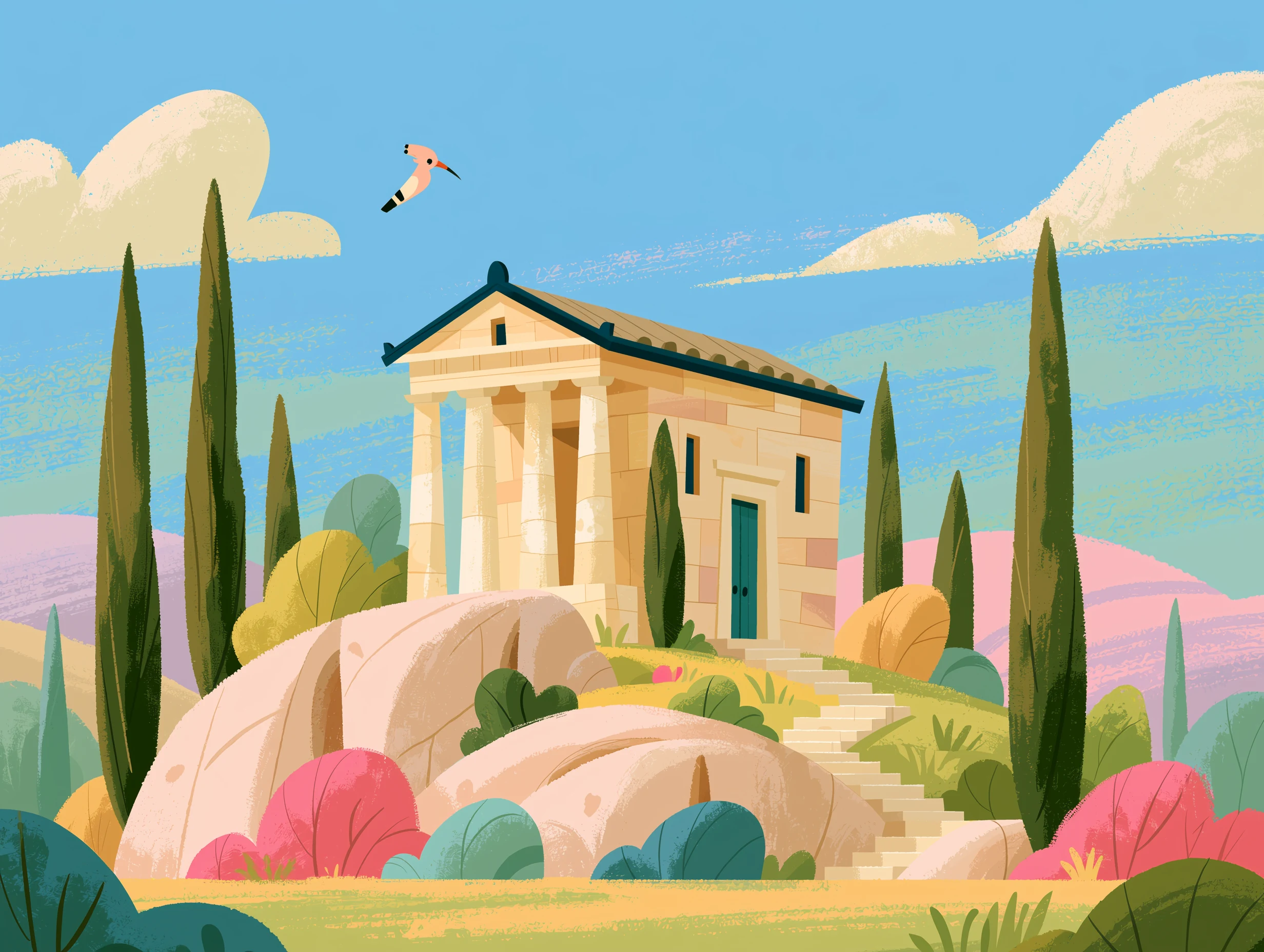
David and Solomon, the Kings
David became king, and his son Solomon became king after him. Solomon built a magnificent temple, and was famous for being remarkably wise.
People say Solomon could even understand what birds were saying. One clever little bird, a hoopoe, once brought him important news from a faraway land.
Elijah and Elisha
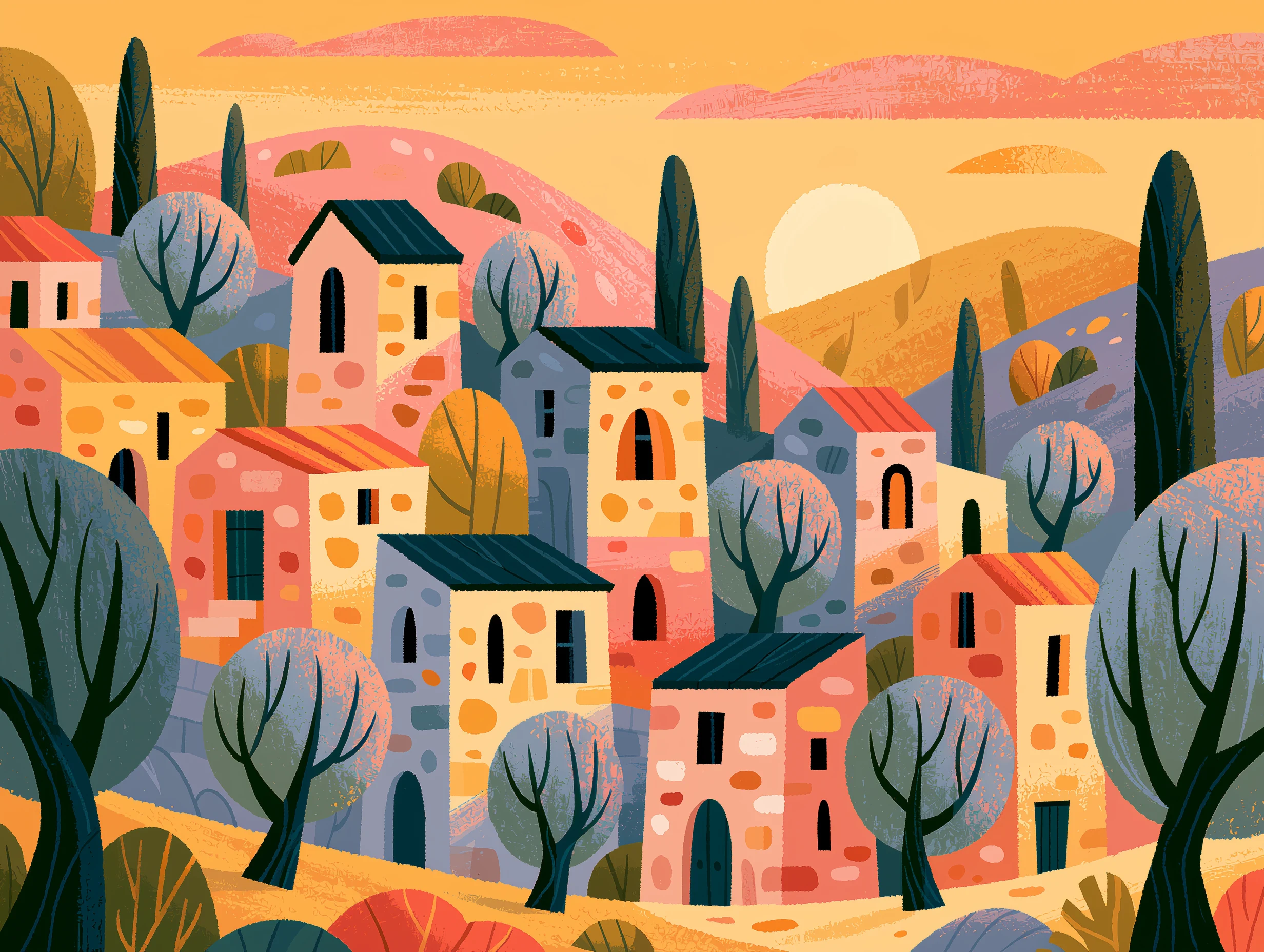
Elijah and, after him, Elisha lived among these quiet hills, trying to guide people back to worshipping God alone instead of statues carved from stone.
It was rarely an easy job, and hardly anyone thanked them for it. They kept going anyway.
The Great Thinkers
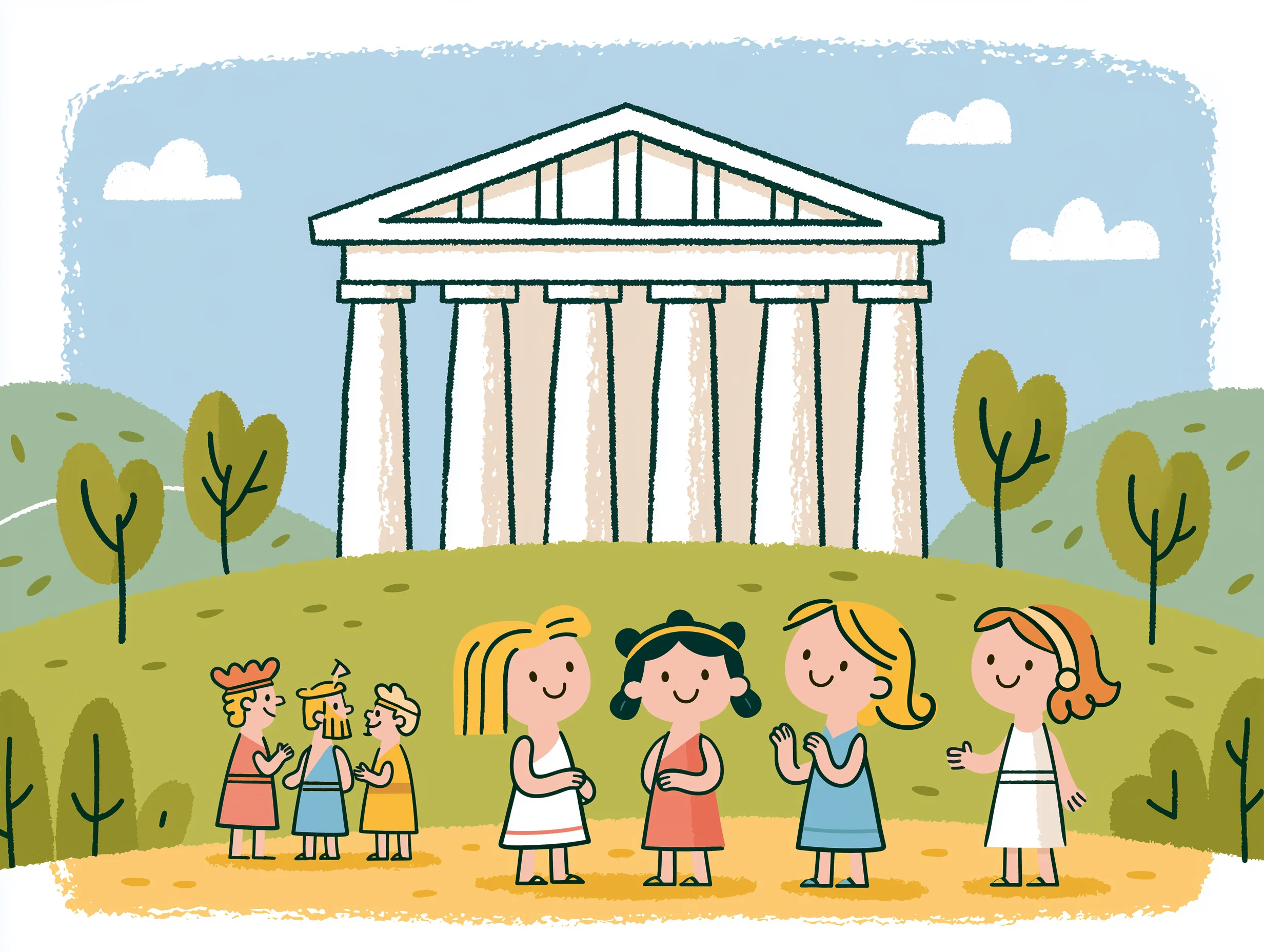
In Greece, people built beautiful temples with tall stone columns, and gathered outdoors to ask enormous questions. What is fair? What makes a good life? How should people be governed?
Some of the very first people to write their ideas down and argue them out loud lived here, and we are still asking many of their same questions today.
Mighty Rome
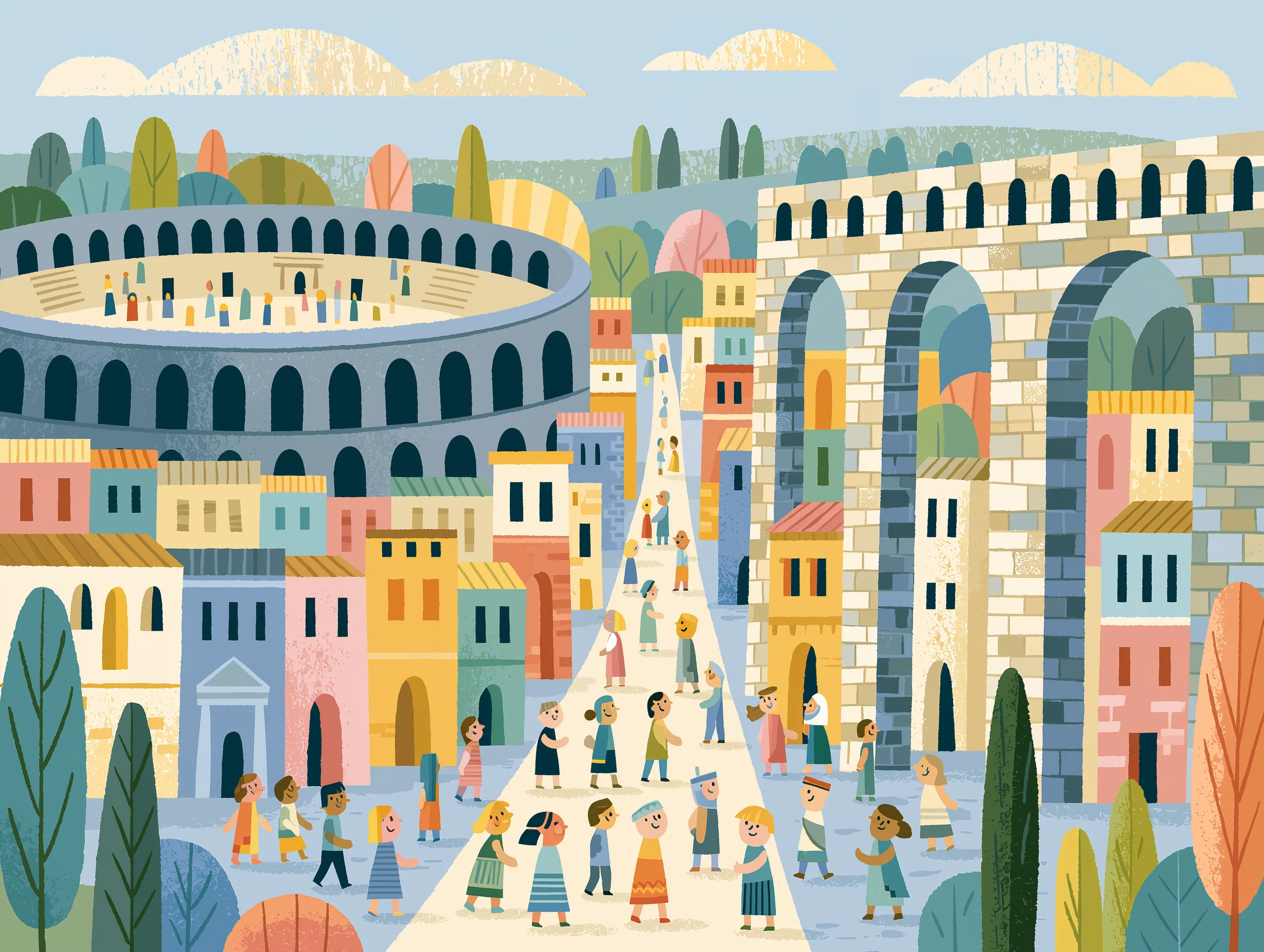
Rome grew from a small town into a colossal empire. Its people built roads so well made that some are still walked on today, and stadiums that could hold tens of thousands of people at once.
At its largest, the Roman Empire stretched across three whole continents.
China and the Great Wall
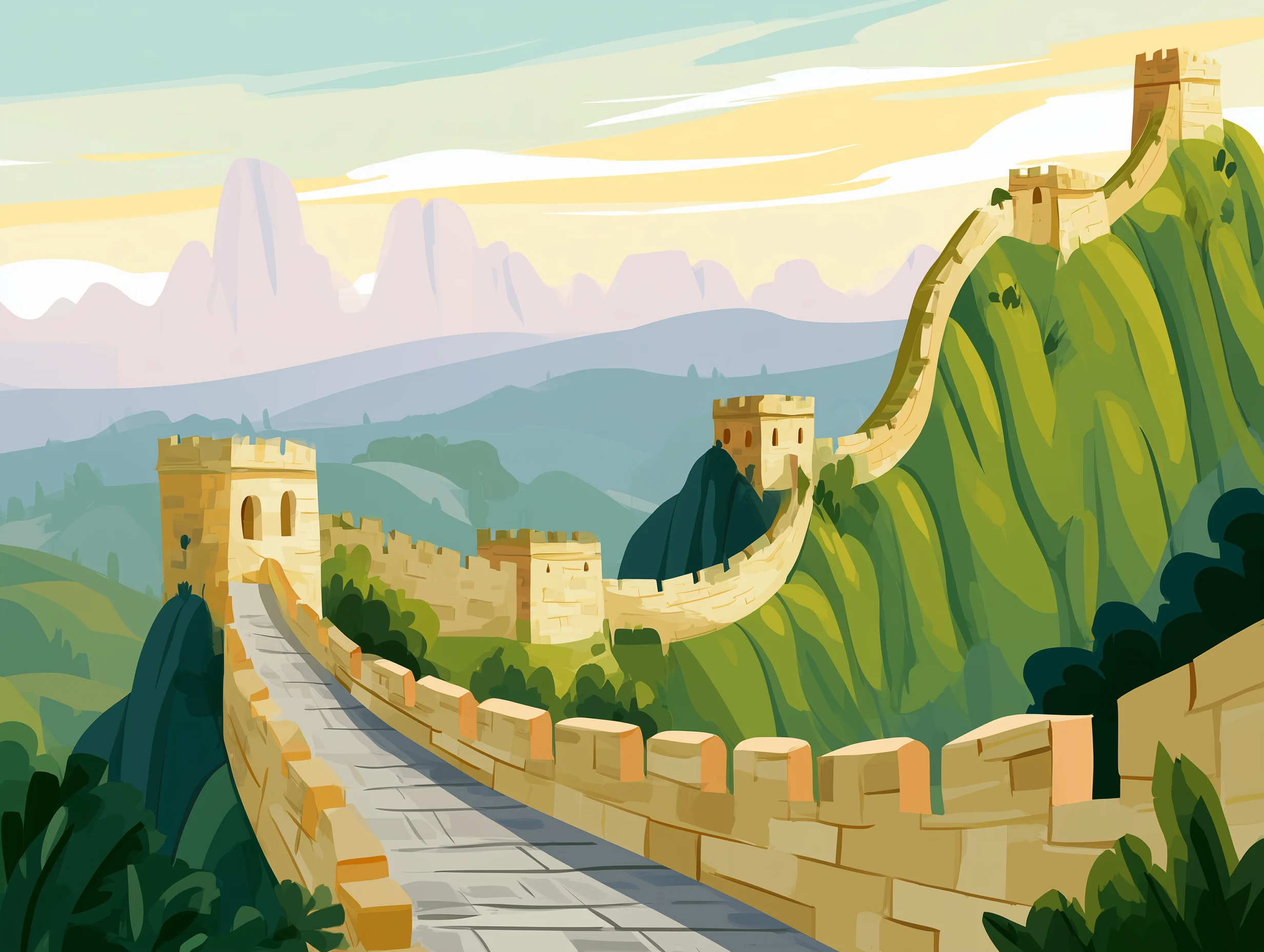
In China, emperors built a wall so long it wound over mountain after mountain after mountain, further than any wall built before or since.
It was built to keep the empire safe, and parts of it have stood for more than two thousand years.
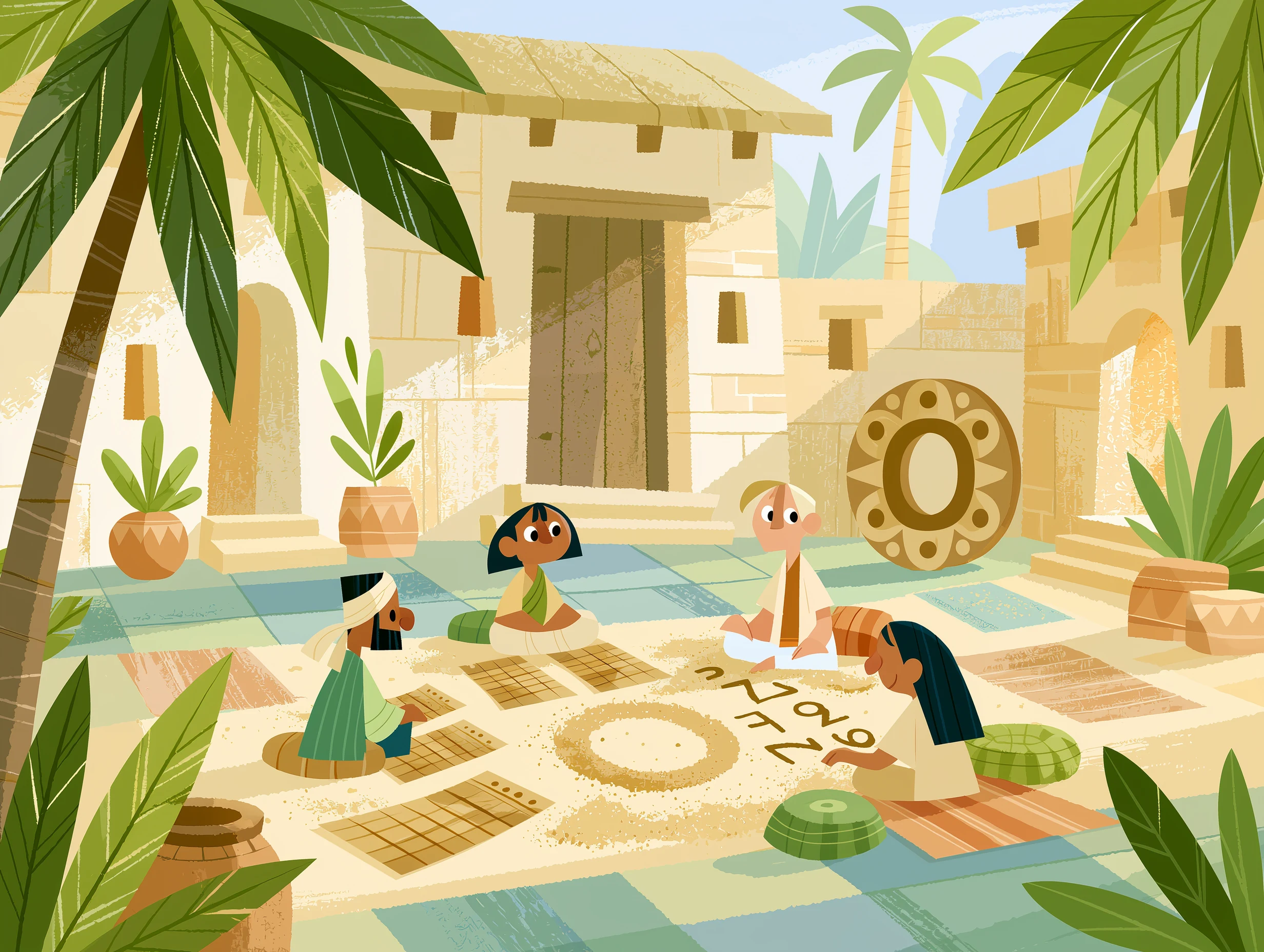
India and the Number Zero
In India, thinkers worked out something that sounds simple but changed mathematics forever. A number for nothing at all, written down as a small round zero.
Without it, none of the big numbers we use so easily today would work quite the same way.
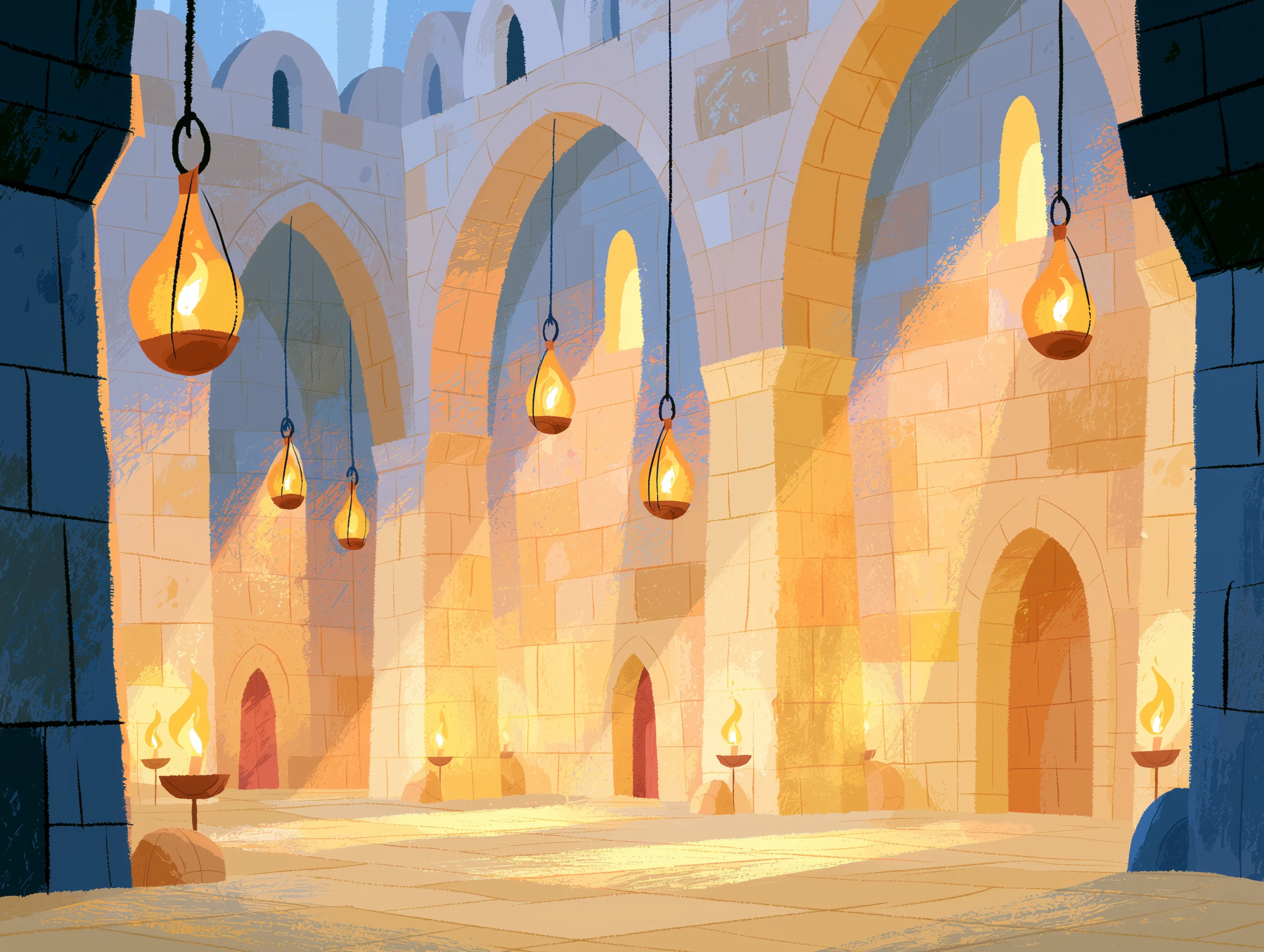
Zechariah and John
An old man named Zechariah prayed in this very temple for a son, long after most people believed it was possible.
His prayer was answered with a boy named John, who grew up to become someone people travelled a long way just to listen to.
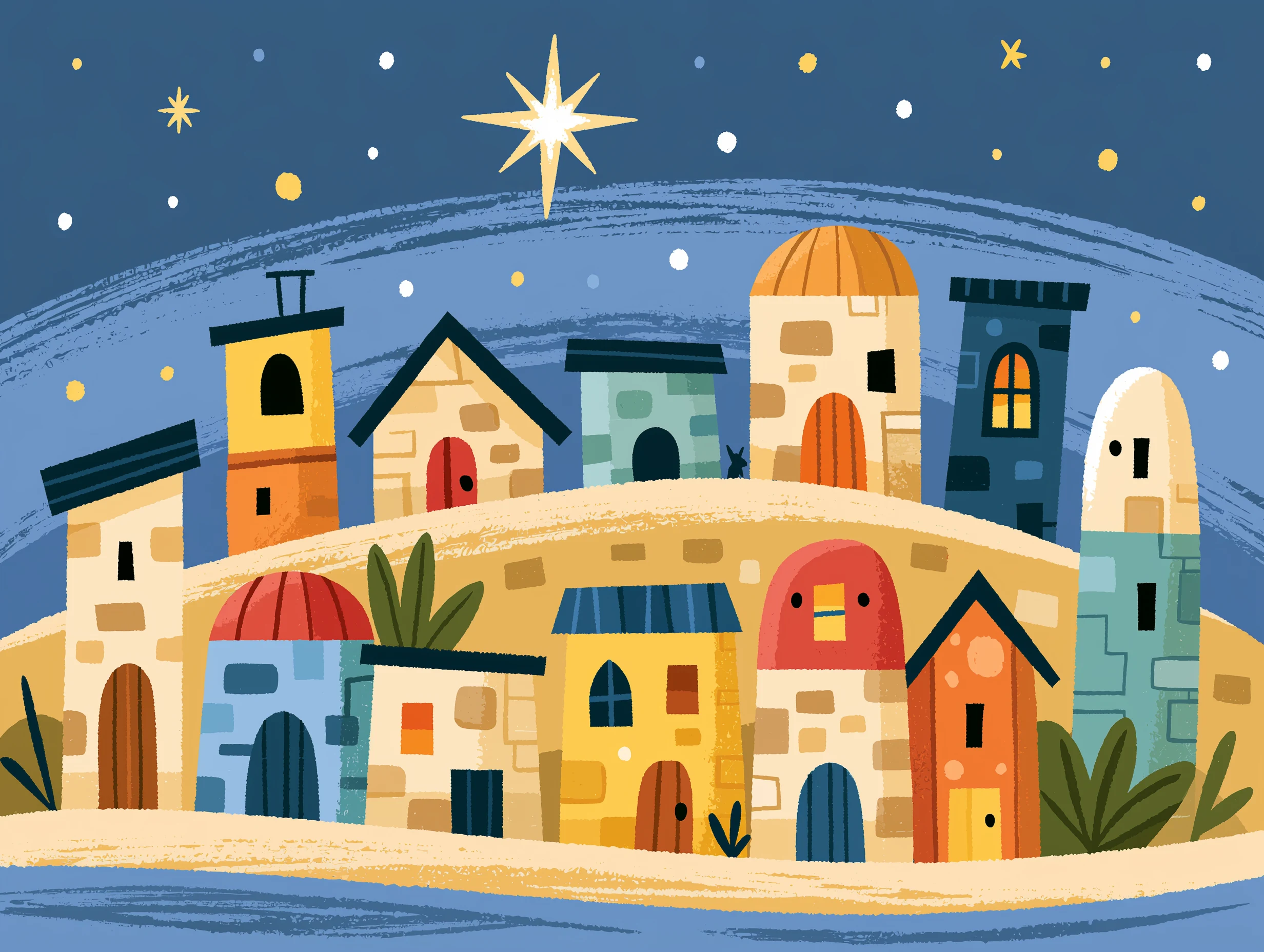
Jesus and Mary
In a small, quiet town called Bethlehem, a baby was born to a woman named Mary. A single bright star seemed to shine over the town that night.
That baby grew up to be Jesus, one of the most loved and important prophets in the whole story.
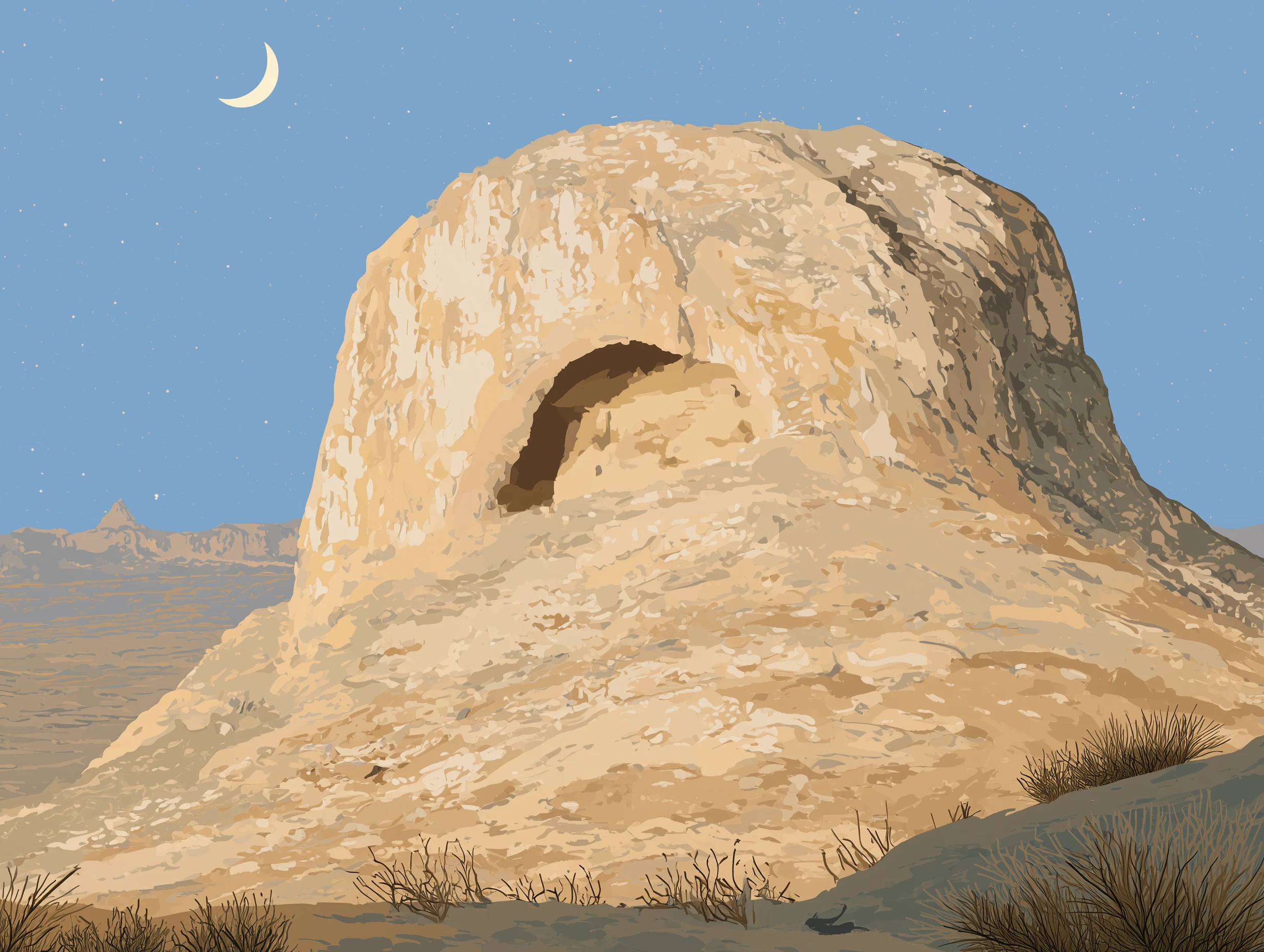
Muhammad in the Cave
High on a mountain above Makkah, in a small cave, Muhammad often went to sit quietly and think. One night, everything changed forever.
There, he received the very first words of the Quran, the beginning of the final message.
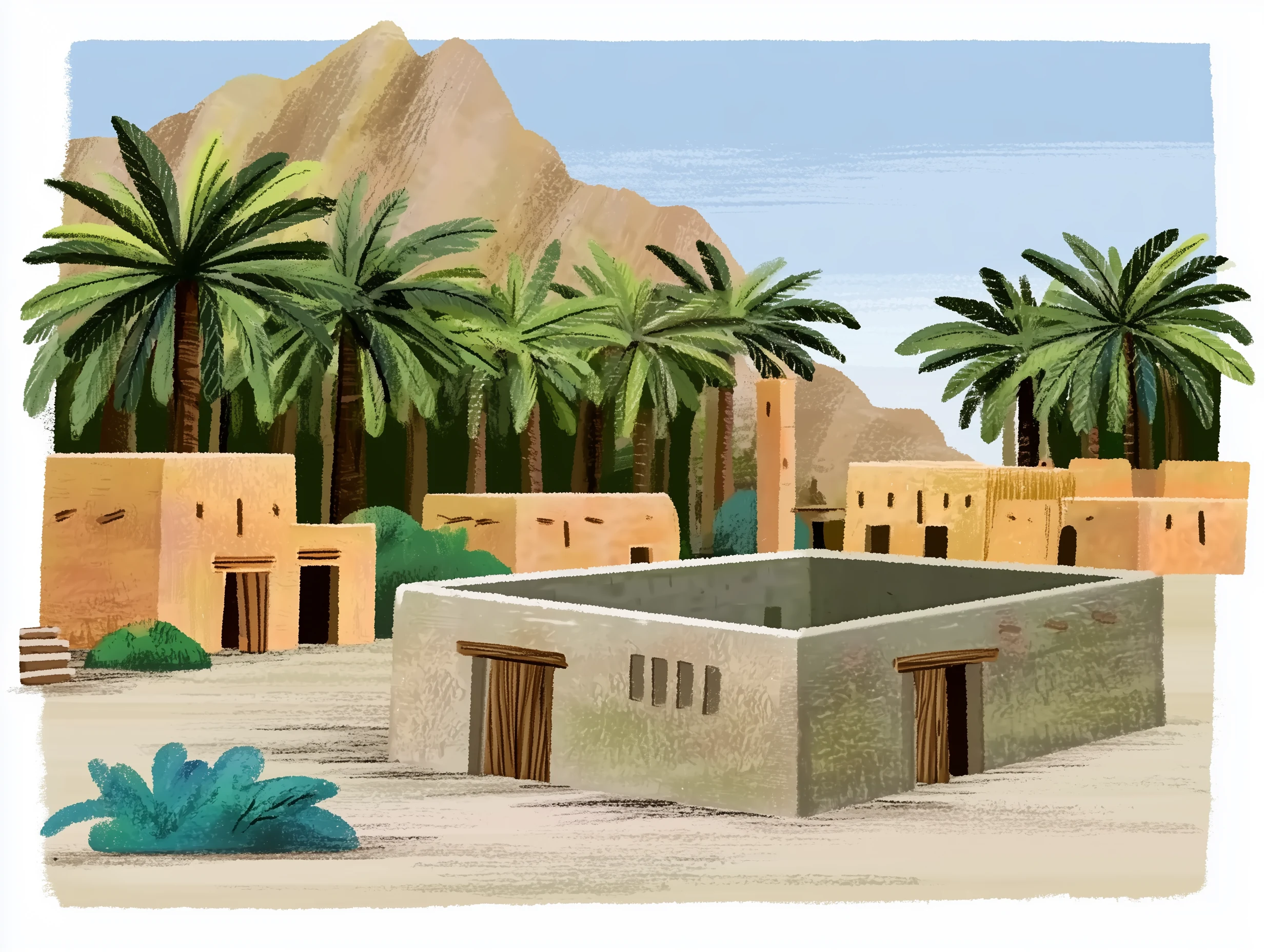
The New City of Madinah
Muhammad and his companions left Makkah and travelled to a city called Madinah. There, he built a simple mosque and helped people from very different backgrounds learn to live side by side.
Madinah became something genuinely new, a community where everyone was expected to look after everyone else.
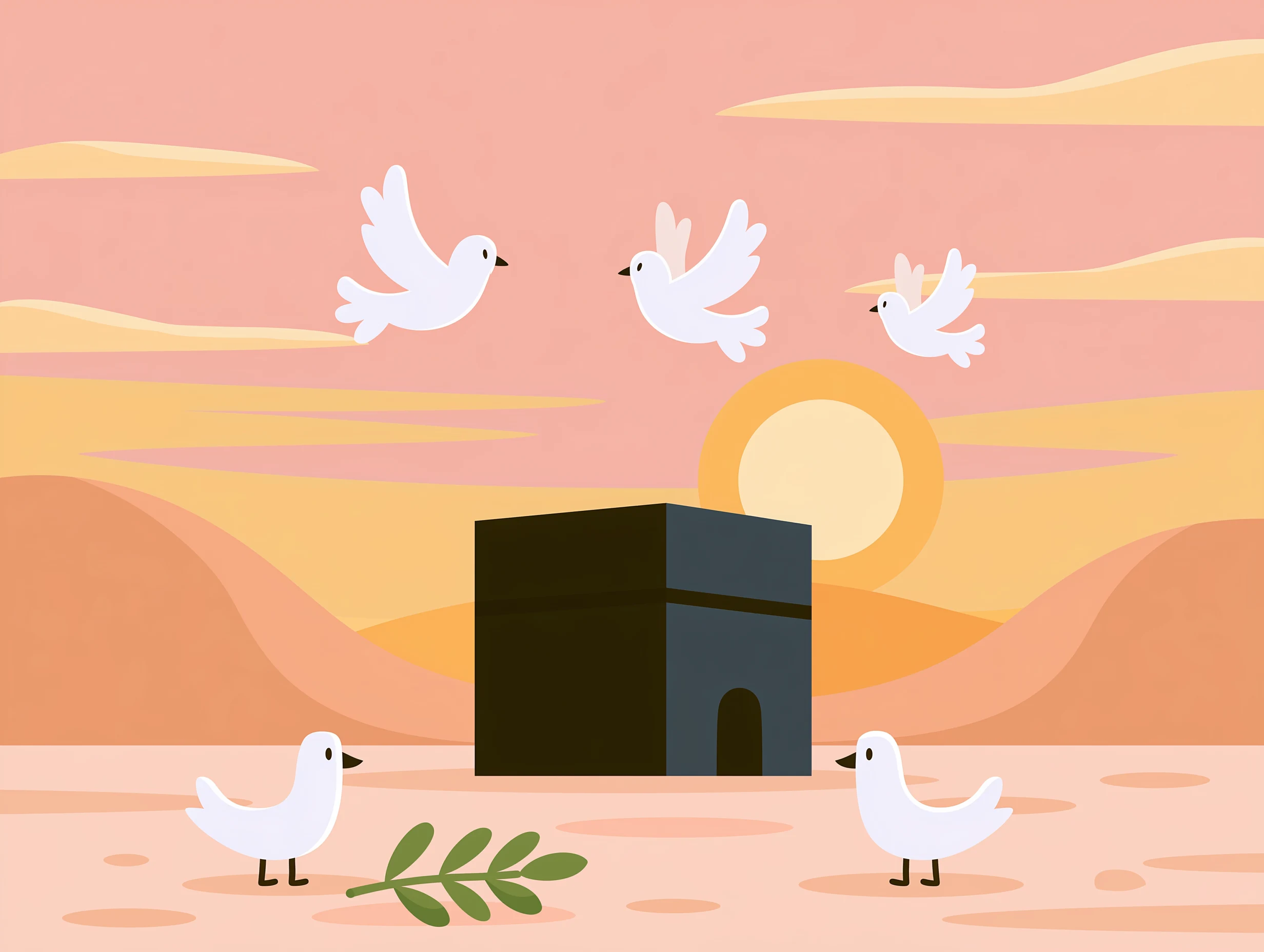
Coming Home in Peace
Years later, Muhammad returned to Makkah, the very city that had once forced him to leave.
Instead of taking any revenge at all, he forgave the people who had been unkind to him, and the Kaaba was dedicated once more to worshipping God alone.
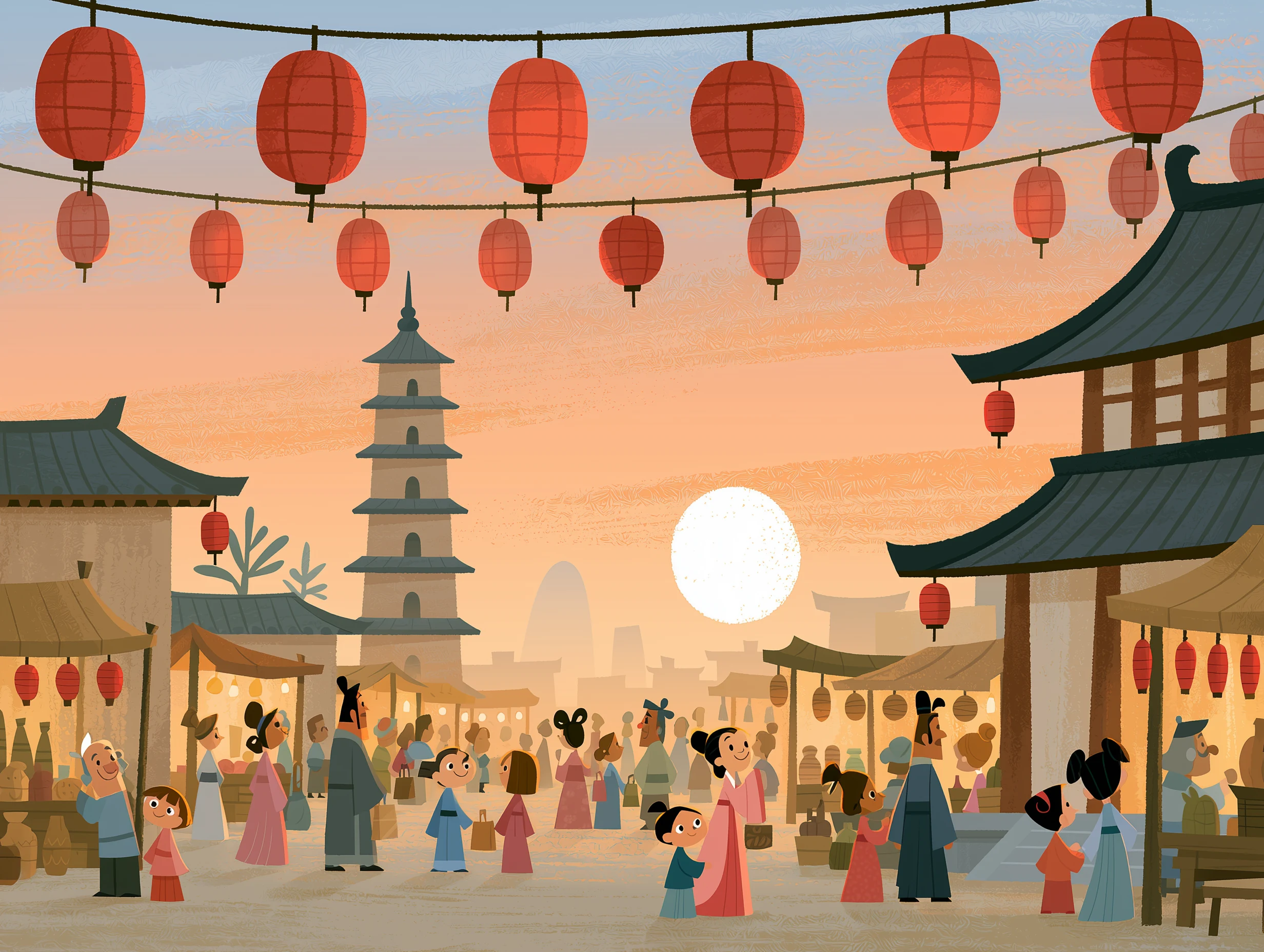
Faraway Tang China
Far to the east, China's Tang Empire built one of the greatest cities anyone had ever seen. Chang'an buzzed with markets, poets, and travellers from every direction along the Silk Road.
Merchants carried silk, paper and spices all the way between China and the Muslim world, trading ideas just as much as goods.
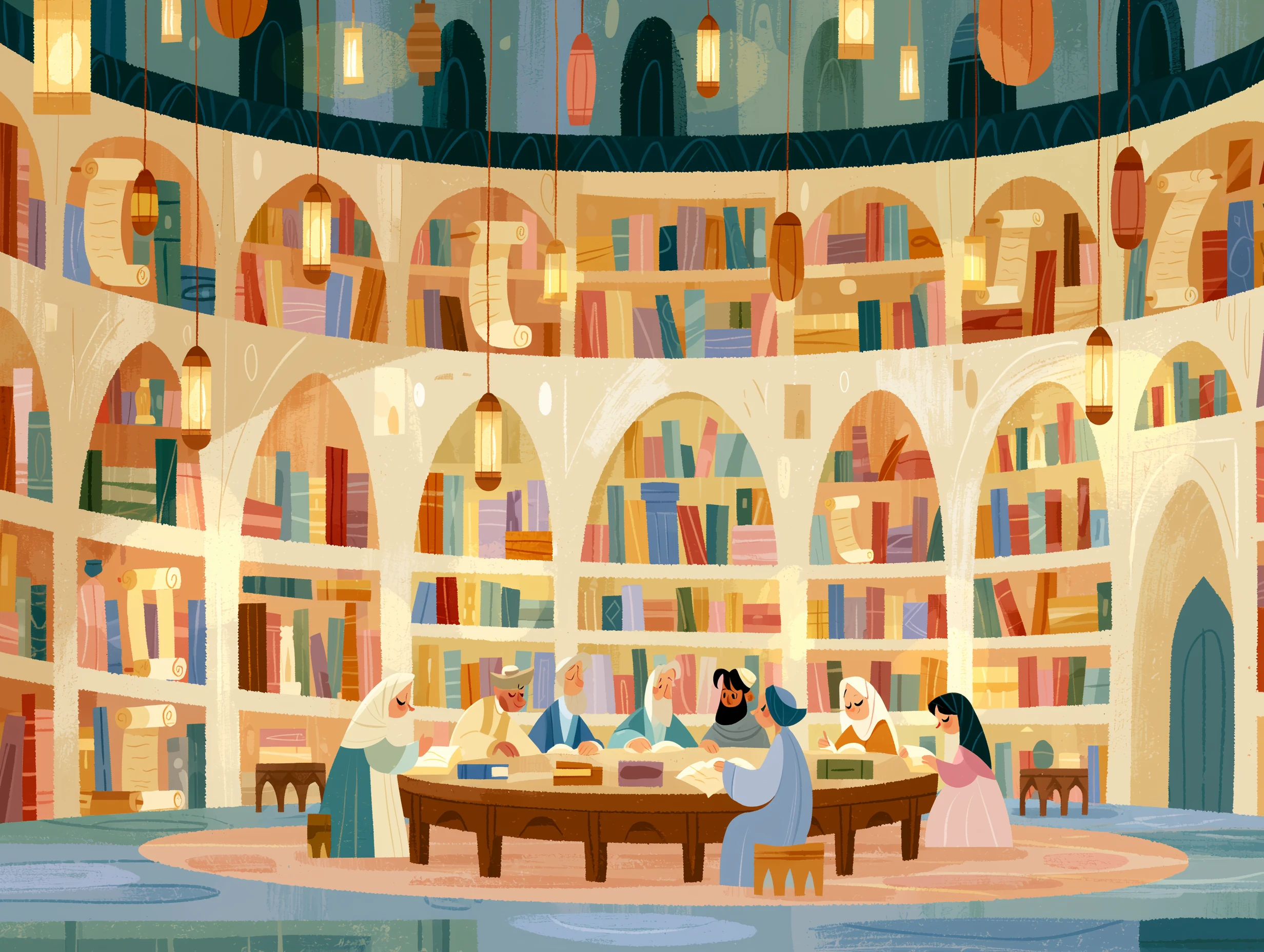
The House of Wonderful Ideas
In Baghdad, a great round city, scholars built an enormous library called the House of Wisdom.
People from every background worked there side by side, translating books from all over the known world, then adding brilliant new ideas of their own.
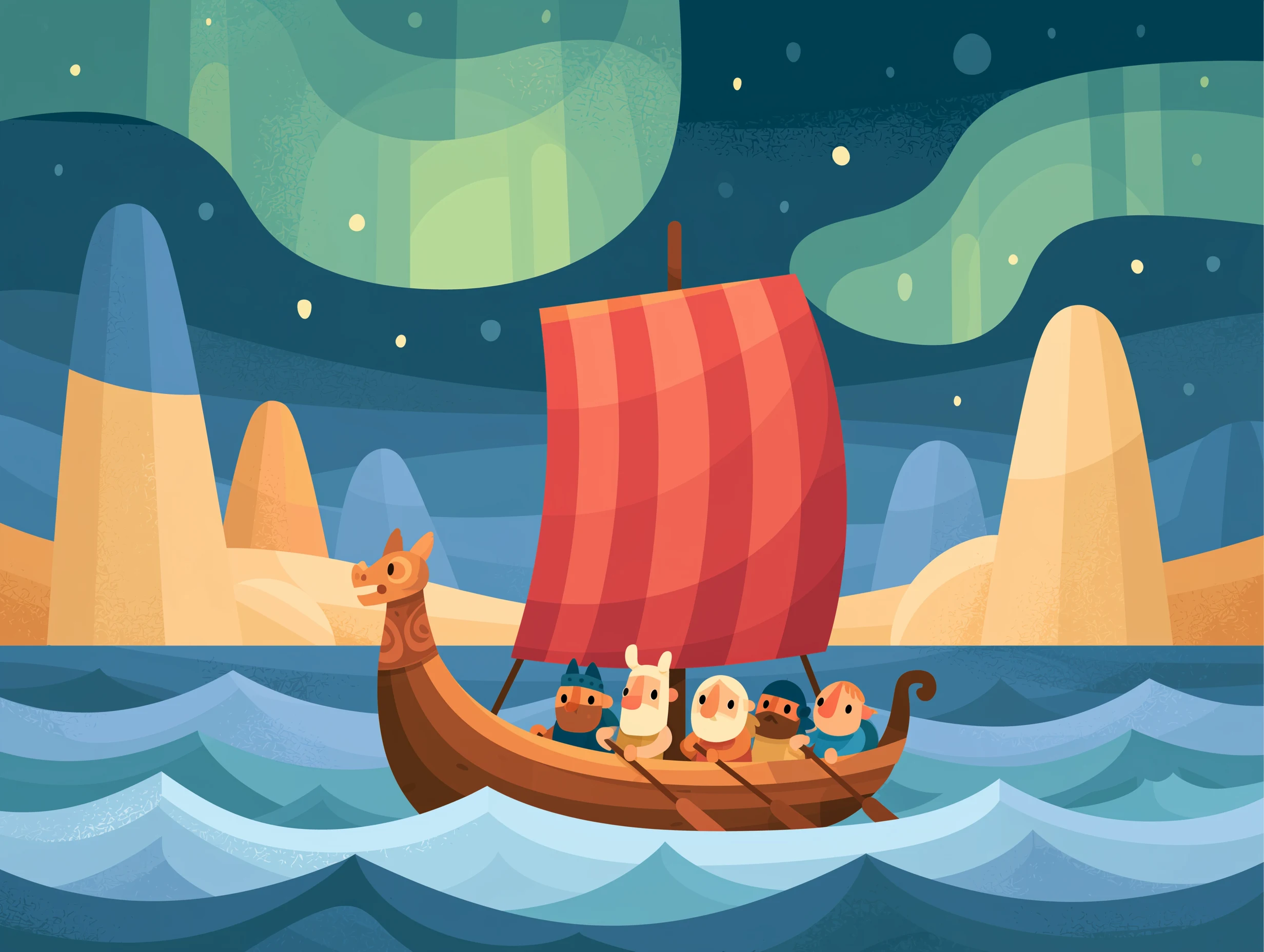
The Vikings and Their Ships
Far in the cold north, brave sailors called Vikings built long wooden ships with fierce carved dragon heads.
They rowed and sailed across icy seas further than almost anyone before them, and even reached a new land across the ocean, hundreds of years before Columbus.
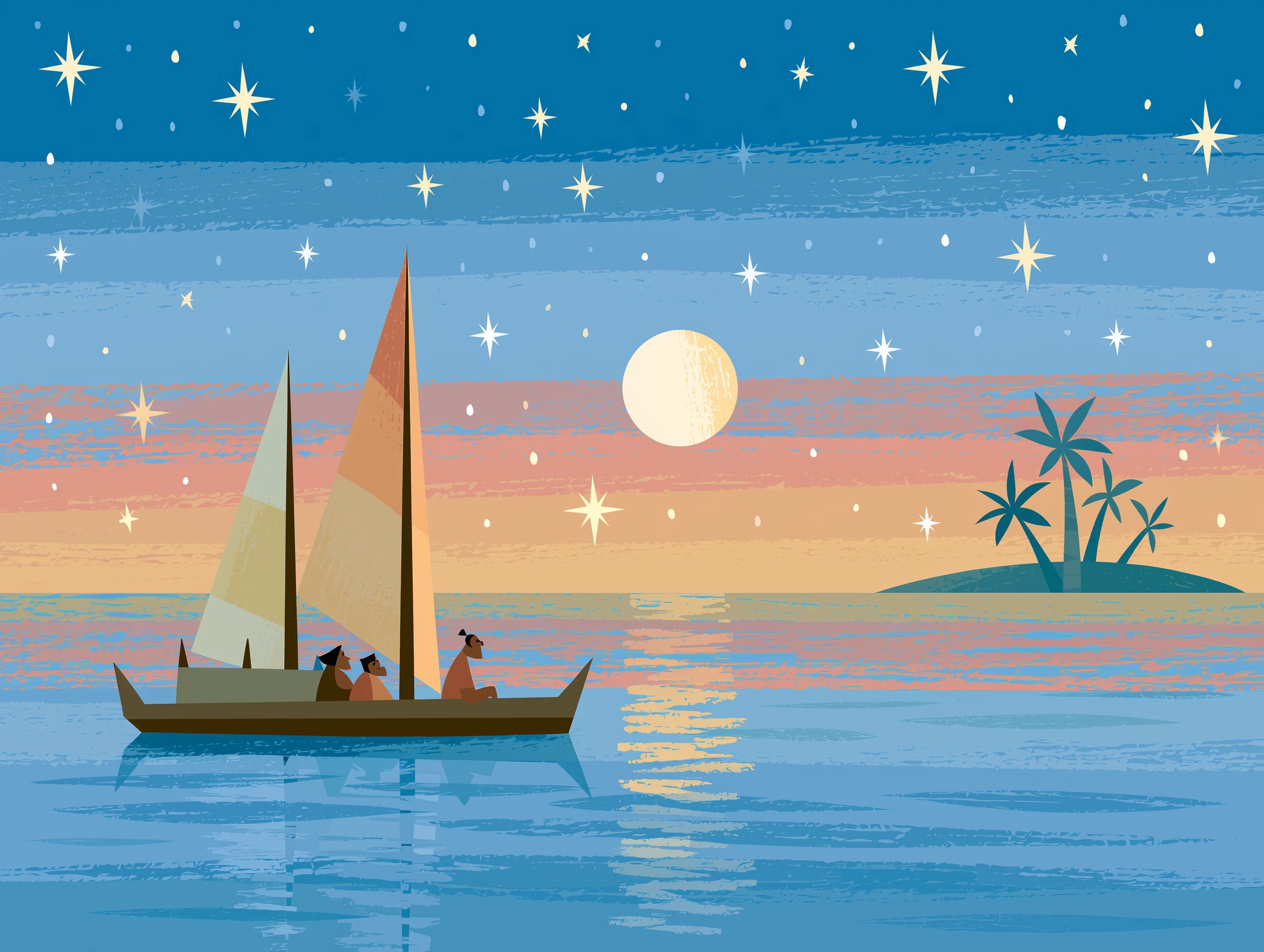
The Island Finders
Far out in the Pacific Ocean, brave sailors set off in canoes with no maps and no compasses at all.
They found their way by watching the stars, the waves, and the flight of birds, and discovered tiny islands hidden across the biggest ocean on Earth.
“No map, and they still found their way” marvelled Omar.
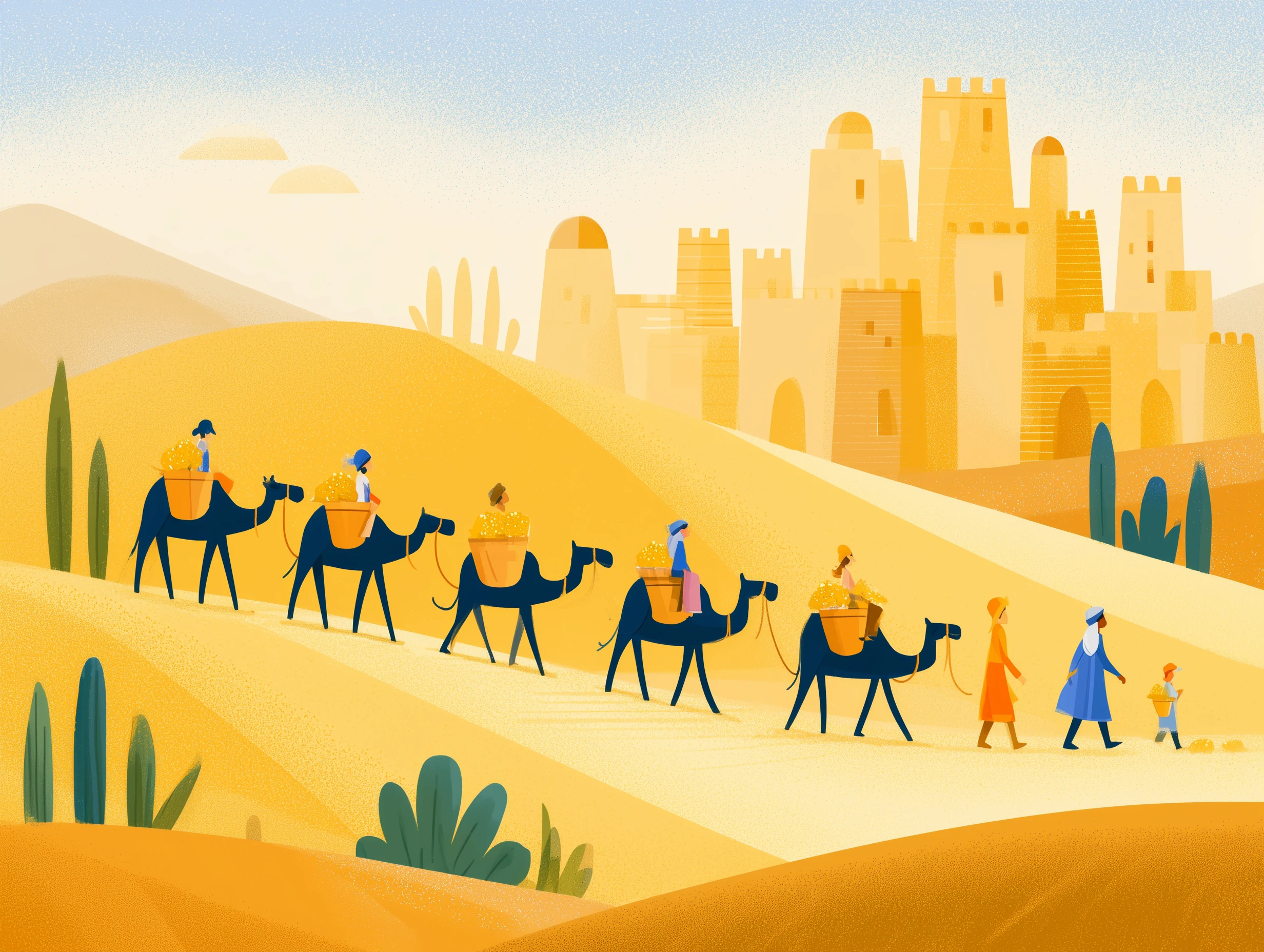
Mansa Musa's Golden Journey
In West Africa, a king named Mansa Musa was one of the richest people who has ever lived.
He travelled all the way to Makkah with a huge caravan of camels carrying gold, and gave so much away along the journey that it changed the price of gold for years afterwards.
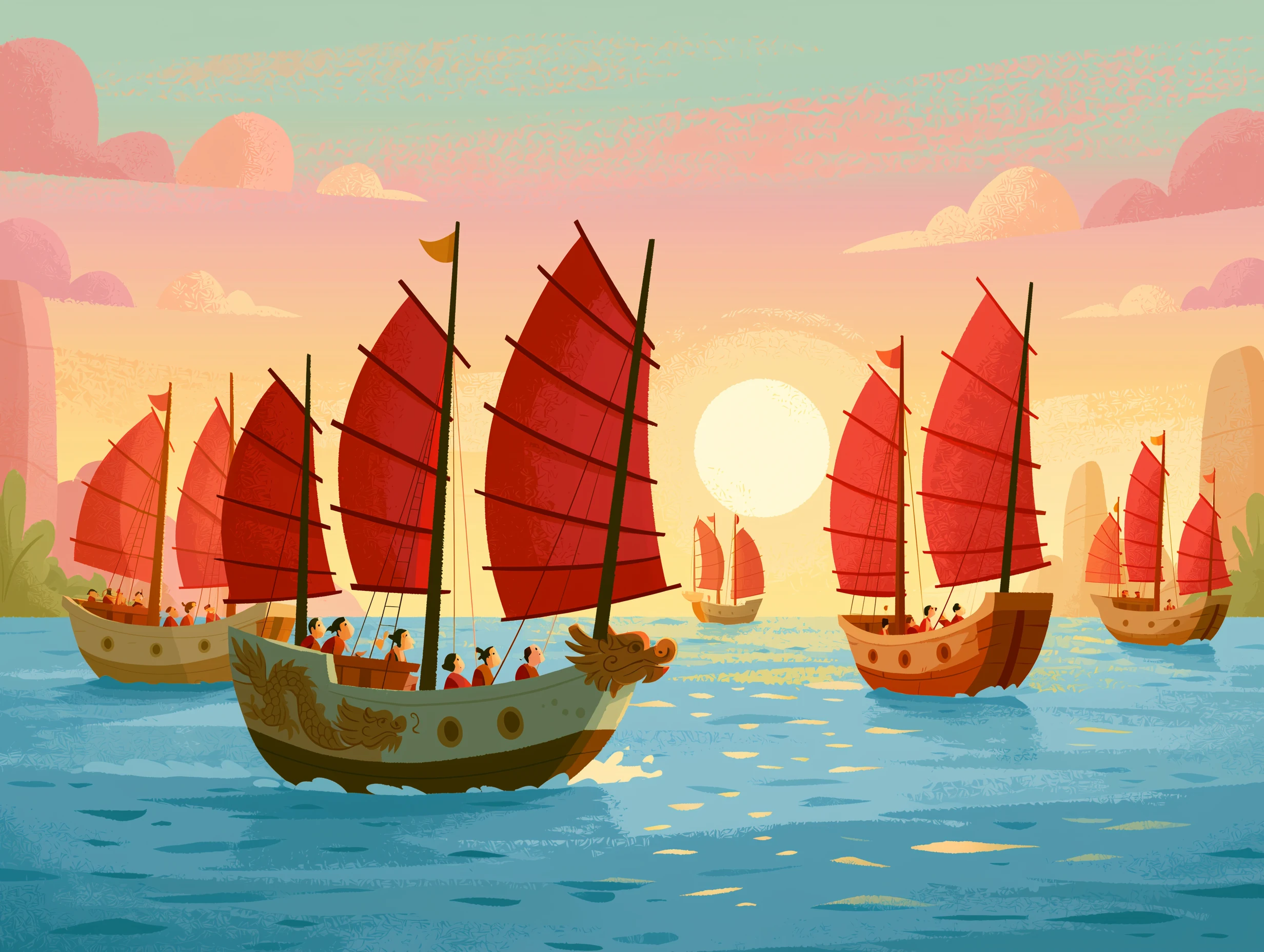
The Giant Treasure Ships
In China, a great admiral named Zheng He built enormous ships, far bigger than anything else sailing the seas at the time.
His fleets sailed all the way to Arabia and the coast of Africa, and came home with a gift nobody in China had ever seen before, a giraffe.
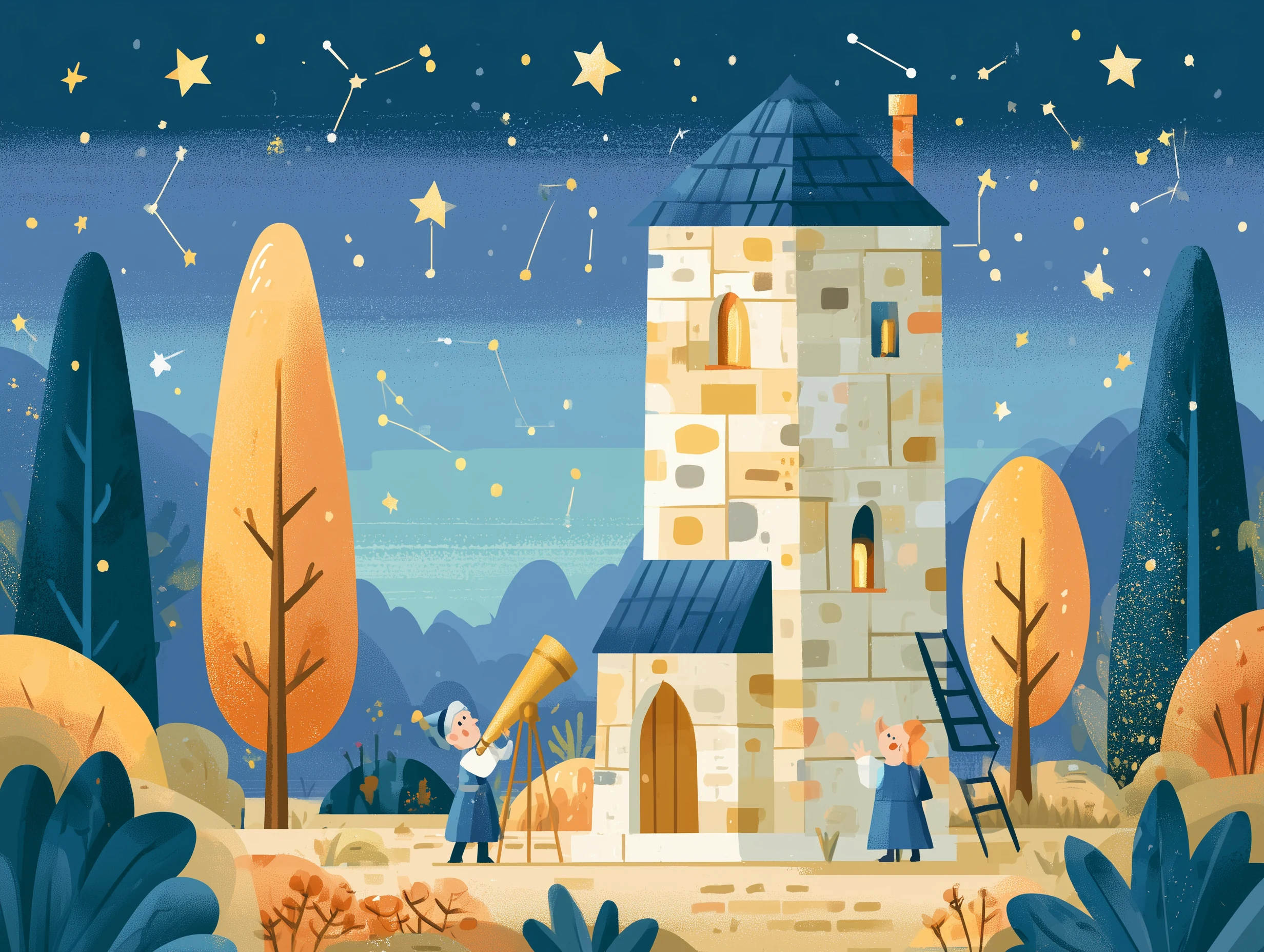
Looking at the Stars in Samarkand
A prince named Ulugh Beg loved the stars more than being a king. He built a giant tower just to study the sky.
There, he carefully mapped a thousand stars by hand, and his charts stayed the most accurate ever made until telescopes came along, two hundred years later.
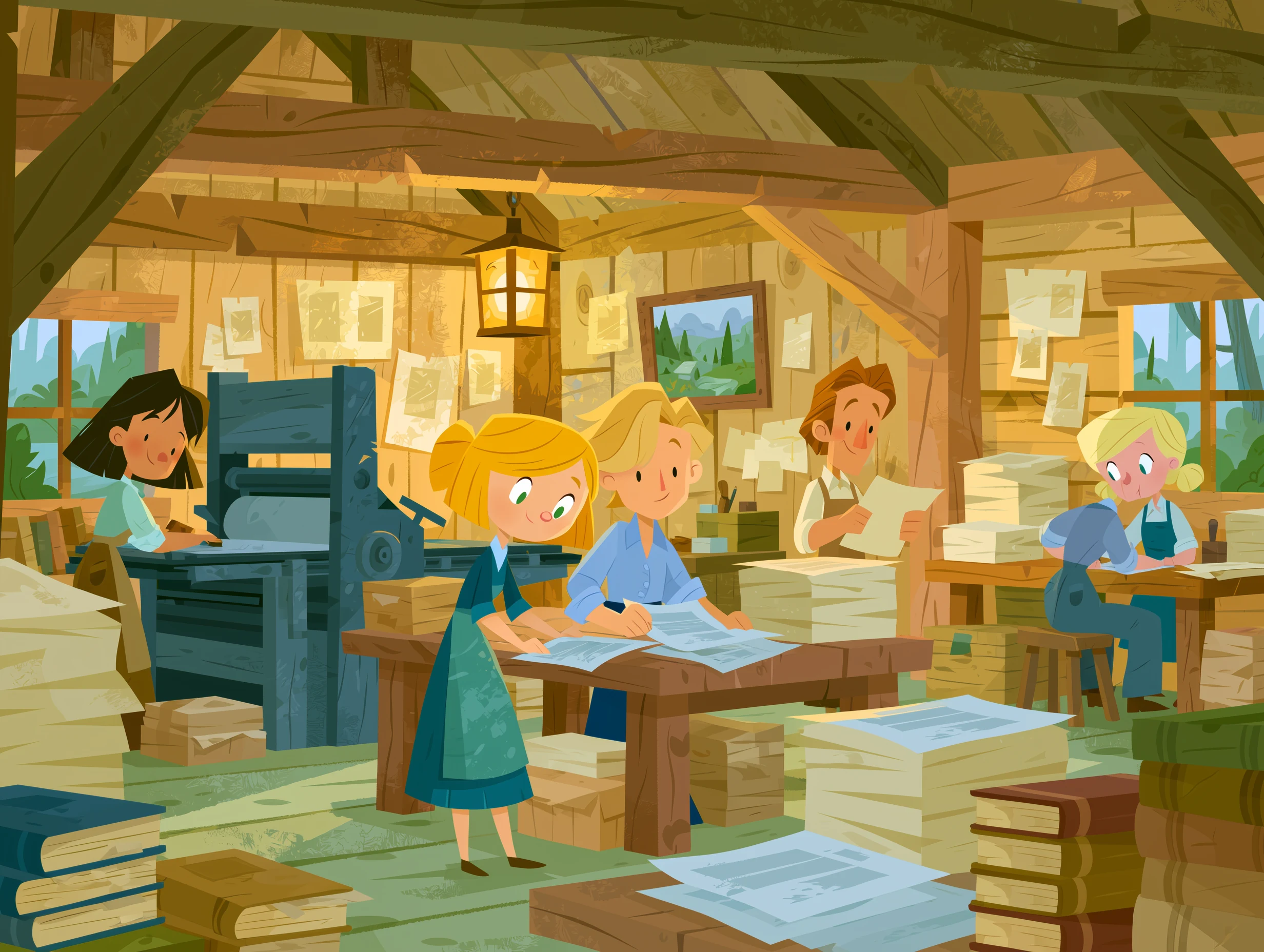
Books for Everyone
For a long time, every single book in the world had to be copied out by hand, letter by letter, which took forever.
Then someone built a printing press, a machine that could print a whole page in only seconds. Soon, ordinary people could own books too, not just kings and scholars.
And that brings you right to the end of this journey, from the very first dinosaurs to the printed page in front of you now.
From the age of dinosaurs, through all the prophets, to the ships and stars of a thousand years ago, you have time-travelled through the whole story so far.